
/// PRACTICE DISRUPTED

How do you redefine what a 21st-century architecture firm looks like and how it operates?
This week Leah Alissa Bayer, Sarah Vaccaro, and Kate Conley discuss their practice, Architects FORA, a 100% woman-owned design firm. This episode explores the ownership transition of this 40-year-old practice, how they operate the fully virtual practice, and the values that shape the feminist practice. They detail specific changes they’ve made in their hiring processes to support diversity and inclusion in a remote environment, and how remote working bolsters ongoing communication, collaboration, and 1:1 mentorship.
“If you give people the appropriate space so that they can do their work in the environment that they’re comfortable in, and then create this very transparent platform that people can receive communication when they can digest it — or go back if they’ve forgotten, or if something comes up on a project — that’s way more valuable than just a passing conversation that just happened because you’re looking over somebody’s shoulder. It’s intentional, it’s documented, it’s recorded, it’s scalable. It’s better in every way.” – Architects FORA
Sarah Vaccaro AIA, LEED AP is Principal at Architects FORA. Her passion for design and serving communities drives the commitment to the quality and purpose behind FORA’s work. She respects the responsibility of designing places people will call home and is deeply committed to FORA’s collaborative approach and restorative process. In pursuit of a new experience working to address one of the greatest challenges facing the Bay Area, Sarah joined OJK Architecture + Planning (now Architects FORA) to work on affordable multi-family housing. In 2021, Jerry King, founder of OJK, entrusted his firm of 40 years to Sarah, Leah and Kate to continue designing beautiful, resilient, and equitable housing in partnership with their non-profit housing developer partners. Today, Architects FORA is focused on creating vibrant homes for all that empower and enrich our communities.
Leah Alissa Bayer, AIA, NOMA, LEED GA, NCARB, is an award-winning Architect licensed in California, Hawaii, and Washington with an endless curiosity, forward-focus, and passion for improving quality of life. Leah graduated with a Bachelor of Architecture (B.Arch.), a Minor in Fine Arts, and four years of Structural Engineering (B.S.) from Cal Poly, San Luis Obispo. She founded EVIA Studio, a highly collaborative, women-led, and virtual architecture practice that in 2021, merged with OJK, and subsequently became Architects FORA.
Kate Conley AIA, NOMA, LEED AP, is a Principal at Architects FORA. She is a licensed architect in California, Colorado, and Washington State. Kate leads Building Excellence initiatives at FORA, employing her strong technical and design expertise gained from a career studded with award-winning built work and from her world-class mentors in architecture and construction. Improving equity and justice in the design and engineering professions and advocating for housing abundance in our communities are areas of emphasis throughout her work.
§ GUESTS
Sarah Vaccaro
Sarah Vaccaro AIA, LEED AP is Principal at Architects FORA. Her passion for design and serving communities drives the commitment to the quality and purpose behind FORA’s work. She respects the responsibility of designing places people will call home and is deeply committed to FORA’s collaborative approach and restorative process. In pursuit of a new experience working to address one of the greatest challenges facing the Bay Area, Sarah joined OJK Architecture + Planning (now Architects FORA) to work on affordable multi-family housing. In 2021, Jerry King, founder of OJK, entrusted his firm of 40 years to Sarah, Leah and Kate to continue designing beautiful, resilient, and equitable housing in partnership with their non-profit housing developer partners. Today, Architects FORA is focused on creating vibrant homes for all that empower and enrich our communities.
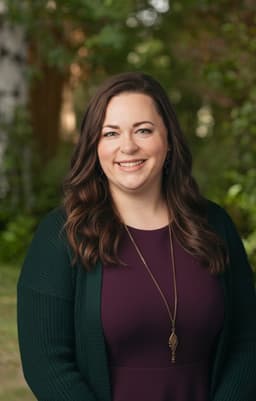
Leah Alissa Bayer
Leah Alissa Bayer, Founder and Managing Director of EVIA Studio
Leah Alissa Bayer, AIA, NCARB, LEED GA, is Founder and Managing Director of the architecture start-up EVIA Studio. First registered in 2017 in California, Leah is licensed to practice in CA, Hawaii, and Washington state and is based out of home offices in Palo Alto, CA and Bellingham, WA, while EVIA Studio serves clients throughout the Pacific States. A true multi-disciplinarian, Leah received her Bachelor of Architecture with an aerospace-centric thesis, a Minor in Fine Arts, and four years of structural engineering from Cal Poly, San Luis Obispo in 2014.
Equally passionate about serving as a leader in practice for her profession as she is to her firm, Leah is dedicated to volunteer work. She is the AIA Silicon Valley Treasurer and incoming Vice President for 2021, founding Chair of the AIASV Practice Leadership Committee, Founding Co-Chair of the Architectural Intelligence Conference, Advisor to AIA National’s Center for Practice, and Chair of the NCARB Experience Advisory Committee.
EVIA Studio isn’t your traditional architecture firm. They’re an award-winning, 100% women-led, virtual team of diverse professionals spread across the country who are passionate about creating exceptional living spaces for everyone. From extra space for a growing family to a vibrant showroom for a new business, healthy affordable housing or a luxurious getaway – whatever it is, they’ve got you covered with their commitment to outstanding service and design. They believe buildings should look great, feel great, and do great things for our communities.
Kate Conley AIA
Kate Conley AIA, NOMA, LEED AP, is a Principal at Architects FORA. She is a licensed architect in California, Colorado, and Washington State. Kate leads Building Excellence initiatives at FORA, employing her strong technical and design expertise gained from a career studded with award-winning built work and from her world-class mentors in architecture and construction. Improving equity and justice in the design and engineering professions and advocating for housing abundance in our communities are areas of emphasis throughout her work.
§ SHOW LINKS
/// THE PRACTICE LAB
Conversations are useful. Running the experiment is what changes the firm.
The Practice Lab is where architects test one real change a month, on their tools, their business model, or their own career, alongside peers running experiments of their own. Office hours most Tuesdays.
§ TRANSCRIPTRead the full episode transcript
A What if you could start a movement to change the bill's environment? How would you help the architectural community come up with new ways to build a better world where people come together to live, work, and play in elegant buildings made of cutting edge sustainable materials. Stop dreaming. That opportunity is real and is at the American Institute of Steel Construction. They're looking for creative architects to reimagine the way our profession approaches structural steel by developing a program to help us harness structural innovation today and tomorrow. learnmore@aisc.org/architecture that aisc.org/architecture.
B I'm Evelyn Lee, and I'm Janine Chastain. We're collaborating on curated conversations to explore how the industry of architecture is changing.
A Together, we'll find ways to create new solutions current challenges while elevating the value of architects. Welcome to practice disrupted.
C Hello,
A listeners. Hello, Jenny.
B Hi, Evelyn. Hi, disruptors. Unfortunately, I'm getting over a little bit of a cold today, so I just wanna preface that upfront. So I might sound a off. But nonetheless, today's episode is a very exciting episode that I've been looking forward to for quite some time. our guests represent a case study of next generation leaders redefining what 21st century designs to do looks like and how it operates. Evelyn and I often reference this firm as an example of managing an architectural practice in a fresh and innovative way. And they're proving that it's possible to operate a 100% virtually.
B Architects Fora is led by a group of women I've grown to admire for their leadership and courage as 3 outstanding next generation business owners.
A Leon Barrett has been on practice disrupted a few times joining us in episode 18 discussing remote practice during the dark ages of the pandemic. It is kind of hard to believe that we started the show in the middle of the pandemic or at the beginning of the pandemic, but then she returned in episode 52 again to discuss managing a virtual practice. Today, she is joined by her business partners, Sarah Vaccaro, and Kate Conley, to discuss their practice, architects fora. a 100% woman owned design firm full of collaborative, curious, ambitious, and creative professionals pushing the boundaries of practice.
B Over the last year, I had the opportunity to work closely with these 3 women and enjoyed observing up closely how they co lead how they operate virtually. And I've been learning about their vision that they share for the future of their firm. I'm delighted to introduce our listeners to them as I think that you all will gain a lot from their story and thinking about what possible in terms of designing your firm in new and intentional ways. So Leah, Sarah, and Kate talk to the show.
D Thanks, Ravi.
B Why don't we kick it off just so our listeners can recognize each of your voices? Let's have each of you introduce who you are and tell us just briefly about yourself.
D Hello, everyone. It's a pleasure to be here today. My name is Sarah Caro. I'm principal and part owner of architects for her. We are formally OJK Architecture And Planning. I am calling in today from the East Bay of California. Just due east of San Francisco in Danville. Let's see.
D In our firm, I specialize in the early design and goal setting stages of a project. I love the opportunity in discovering the core vision of a project, testing multiple design options, and working collaboratively with our partners to find beautiful and design solutions. We are passionate about and do not take lightly the responsibility of designing homes for real people. many of whom are often marginalized in our integral parts of our community.
C I am Leah Bear as Evelyn and Janine had mentioned, I've been on this podcast a couple times, but my role now is with architects for it. I am president of architects for it based out of Bellingham, Washington. And while I am an architect and have a background in housing, my real passion and primary role is rooted in guiding the big sure of our practice and building and supporting powerful resources, networks, and teams necessary to deliver our successful projects. I love everything practice operations and the back end of what we do.
E I'm Kate Conley. I'm the 3rd of the 3 partners. I am calling from Fort Collins, Colorado. I'm responsible for what we call the building excellence aspects of our practice. So really taking those great designs and making sure that our team has the knowledge to document and detail them in ways that are super clear and constructible really to support that design all the way through construction and opening day.
B So you went into business together under the premise that you were taking over ownership of a firm with a 40 year history I wanted to just briefly talk about that ownership transition and quite young for business owners. And I think that that's pretty remarkable about your story.
E You know, it's funny. Everyone says we're young, but we're five years older than Jerry was when he started firm.
B Yeah. I agree. Like, the funny thing is a lot of firm owners with thirty year old practices were in their thirties when they started, and you know, here we are. We're all starting our businesses.
E Absolutely. I think Sarah tells the origin story of the firm transition the best since she was the first point of contact.
D Yeah. I can kick it off. So let's see. About 5 years ago, I found myself at a nexus of either leveling up at a firm where I I had been practicing for about 10 years, leveling up to the next level of leadership with them, or taking a chance and exploring something new. I'm the type of person that makes decisions with my heart and while I'm clear and absolutely heart wrenching at the time. I chose the ladder, and that's why the 3 of us are here today. So very thankful. So About 5 years ago, I left this firm I'd been with for 10 years.
D I dove into a broad exploration process, which included reading a ton of books, hosting informational interviews, prototyping different career path options. Throughout this experience, I realized how much I value building deep mission aligned partnerships with organizations I work with. I also started to gain confidence in my ability to provide profession services on my own outside of the umbrella of an established firm, which is a big leap for me. One of my informational interviews is a an organization called city team, They provide a broad range of programs from transitional housing and food support to educational and life skills training. to job placement and permanent housing. fell in love with their mission and kinda weasel my way into a way to support them. And so what that looked like to begin with was a prototyping exercise. I partnered with them on a pro bono capacity on a programming phase and planning entitlements project to expand their women and children services program.
D working with city team as with a lot of nonprofits, they did not have the capacity or the experience to to lead large construction projects at the time. And so I proposed providing consulting services to them as a project manager and owner's representative. helping them get the right teams in place. And some of their larger projects underway was really exciting. While exploring this path with city team, I knew I wanted to also continue practicing our picture. I love the design side. That's my passion. I was starting to learn a lot more about the depth and breadth of the housing and homelessness crisis, particularly in the Bay Area.
D and the important role that architects can have in designing equitable, resilient, and vibrant affordable housing options. So I went on a big research project, defining all the affordable housing firms in the area. Talk to a number that were beyond commute distance that was reasonable at the time. ultimately found OJK Architecture in planning, which I was so excited. They were in a commute distance and really just a spectacular firm. So I knocked on the door a lot. Jerry wasn't really hiring at the time, but I I just persistently continued to to reach out to him. So Jerry King, he's the founding principle of our firm.
D He'd been creating beautiful and sustainable multi family housing projects in partnership with nonprofit housing developers for over 20 years after applying and interviewing a few times. I finally got to start with them in the fall of 2019. And working with Jerry, I learned a lot about the multifamily housing world, how to wear many hats in a small office. I jumped into many leadership responsibilities, include hiring business development. And then to my surprise that my 6 month review, Jerry shocked me with an incredibly flattering and simultaneously terrifying offer for me to step in firm leadership and eventual ownership as Jerry started to wind down.
C I had decided to start a fully remote practice back in 2018 and jumped from a large global firm to do that and went off on a wild adventure, really selfishly wanting to build the practice that would best support me as I went on my adventure of, you know, building a family and moving to a different state and trying to just do things differently and see, what was possible. So I had been working for myself and building up a team for a handful of years. We were working on a deeply sustainable off grid project in Hawaii. and then started to diversify a little bit on other smaller projects in California. And then the pandemic hit, And as we all know, things changed, quite a bit, for us, interestingly, not at all logistically because we were set up remote from the beginning, but our work dropped off, pretty rapidly. And I found myself with a team, and nothing to keep them busy with despite being able to function appropriately as a firm at that time. And one of my team members, our senior architect told me, you know, I realized we don't have enough work for me. I'm gonna go look for a job.
C I'll let them know that I still wanna work with you, but, you know, I I need to look for something I have to support myself, and I totally understood She happened to apply at OJK, an interview with Sarah, and was hired by them to work on one of their projects because they had an abundance of work going on and didn't have enough staff. And her first day, what was supposed to be her first day in office was the state that everyone was sent home to work from home in shelter and place orders. And Jerry, the firm owner of that firm, and Sarah and Denise talked pretty quickly about, you know, what was gonna happen. How are we gonna handle this? They weren't set up for remote work. Nothing was on the cloud. They were still working in AutoCAD, just a lot of updates to the systems necessary. And so Denise this employee of mine proposed a brilliant idea and exchange between our two firms that, we could help them go fully remote and bring them into Revit and bring them into a a cloud and collaboration platform, overall. And in exchange, hire our team to work on their projects.
C and that would bring our team work and sustain my staff at that time. And we did that, and it was beautiful. We had really great synergy and really enjoyed working together. And interestingly, we had just had our first retreat together where we met in person for the first time, and we had been talking about what we wanted to work on similar to Sarah's exploration of, you know, what what's important to me, what's my passion, what do I wanna work on? As a team, we had identified that we really appreciated the opportunity to work on this really high end project, but it didn't just it didn't feel right that that was our only work type, and we wanted to have a bigger impact and bring good design to more people who need it the most. So we didn't know what that looked like until we happened to start working with okay and then realized a few months in how much we really loved affordable housing. And it was the residential work that we had enjoyed but it had this component of serving a greater population and bringing good design and architecture to the communities that really needed it. So we started to have these conversations there and I about architecture and the future of practice and, you know, what she loved, what she was passionate about, what I loved, what I was and about, we found we had really similar values and a vision for what architecture should do, and also really complimentary skills. we had quite different interests in how we expressed that in the practice of architecture.
C So one day, when during one of our one on one meetings, this was, you know, after Sarah had had her meeting with Jerry and then offered this opportunity. She'd just let it drop casually. So Jerry's offered to hand you the firm. And I I don't really want to do it on my own. I don't want to run a business, but you have running businesses. and I love running projects and managing the architecture and what if this is something that we went on it did together. And I, like, I don't know why it didn't it didn't strike me as a crazy idea. I was like, that's sounds like a good idea.
C Yeah, that's fun. In the middle of the pandemic, let's buy somebody's farm. And so we got kind of excited, then Sarah was like, oh, by the way, have you met Kate? And I just started busting up laughing because I had heard that question over and over again, 5 so many people in the Bay Area for years. Have you met Kate? Kate's the civilian architect. You guys have a lot of common. You need to meet Kate. And so finally, it was time to meet Kate who was a very close friend of Sarah's and an amazing architect in the next meeting we had together. There was Kate, maybe I'll pass it to you then, Kate.
E Yeah. The rest is history. Yeah. I mean, you know, Sarah and I were just really friends. We met in the dorms when we were 18. We went to all all through architecture school together. When we worked together, I moved to Northern California to work the firm where she was. We worked together for 5 years.
E Our desks were next to each other for a little while. And then I have this kind of insatiable curiosity and and then opportunity glutton and went to work for foster and partners for a wonderful three and a half years doing Apple stores all over the country and traveling all over the world was great. and then came back to Silicon Valley to work on tech campuses with a firm called LPA, which I also really enjoyed. But definitely was hitting that kind of, like, mid career inflection point where you start kind of wanting to crawl out of your skin a little bit and Sarah and I were taking a COVID walk. And she also similarly was just like, Jerry wants me to buy the firm. I don't know what to do. There's this woman that I've been working with who's really good at, you know, doing the business side of things. She's been running her own practice.
E I feel like I could do it. And I was, if you're doing that, I'm doing that. Like, I'm coming with you, and we're gonna do it together. So, you know, just kind of jumped on to that one from a severe case of FOMO. But, yeah, I mean, these these two women at our first meeting, it was just like, Kismet. Like, Sarah always says it's like something bigger than us, and that's truly how it felt. It was just like, the universe had been slowly guiding us toward each other, you know, just like Leah kept hearing. Have you met Kate? I heard, how do you not know Leah, like, over and over? our networks were pushing us together and kind of like creating the environment for this to happen.
E So it really was, I mean, just the right timing and everything fell into place. And we
C I mean, truly it was kinda freaky when we dug into it. The three of us went to Cal Poly together at the same time. Kate and I actually grew up in the same hometown. Pretty sure we went to the same like dance instructor. We probably danced together. Like, we have all of these sort of swirling come that had just been building over time until we were ready. And finally, it was like, okay. We're ready.
C Let's do this.
B And not a small responsibility to tackle. I'm sure coming, you know, straight out of, like, practice and and, well, Leah, you had been running your own firm, so you kinda had, like, some introductory to this, but certainly Sarah and Kate coming out of practice running projects. This is a big leap into being responsible for an entire team. and managing all the projects underneath that portfolio. You know, you guys presented at a 23 about this ownership transition, and I know you're gonna be presenting at, the women's leadership summit. I just wanna tease out what this ownership transition means to each of you and what that has been like at a personal level.
E That's a good question. I think it's a pretty different answer for each of us.
D So we're at, like, summer late summer of
A 2020
D when all these COVID walks, brainstorming sessions bigger than us pictures started to come together. And this was like 6 months after Jerry and I had had initial conversation. The whole world had been turned upside down in the meantime. So the first step was Well, the first step was the 3 of us. We met pretty regularly on Sunday afternoons for probably many months. because I think what a reoccurring female here amongst all three of us is the most important thing when taking over a firm ownership is the partnership to do with, and we knew we needed to build our relationship, ensure our alignment. So we spent some afternoons mapping our vision for what this firm could be We very quickly synergized on the idea of housing and tackling housing from all angles and not all scales as our central core mission and building our practice off of this remote distributed flexible work environment that we had already built into EBS. So essentially marrying the work, the projects of OJK with the practice of EPI into what would Sunday be known as architects for.
D At the same time, we circle back with Jerry and said, Hey, remember that conversation we had like 6 months ago. We're interested. I'm interested, but I'm not doing it by myself. I have these 2 other amazing women, which thankfully Jerry knew of them already from their architecture, the AIA, and just, you know, being Smalltown Bay Area. So we, you know, started meeting with Jerry regularly. He had a, firm transition consultant Ari on board. and had done a lot of the legwork of compiling all the financial, all the business records, starting into the evaluation process, So we we starting to that, we hired our own consultant and actually a team of consultants, which I think Kate could probably speak about the best or our team of 5 people you should have when you're taking over an architecture firm. But basically over the next few months, we went through pretty intensive negotiations of how this transition was gonna go down all of the details of it with our consultant teams.
D To the end goal of of successfully transitioning our projects and our clients over in the midst of really important work being done. and to launch the 3 of us as the new owners early in
A 2021.
E For me, I think thinking about all these folks who supported us at the outset, what it means to me is just discovering how much deep support we had from our community. from architectural community, from the broader community, from our families. Like, we were kind of the last person people to realize we were ready for this. I think that's been the the biggest boost and the biggest gift of doing this is, you know, having these 2 women that I know I can rely on who forced me to take days off, and I'm about to get burned out. And just realizing how many people were like, oh, yeah. Of course. We were waiting for you to do that. We're waiting for you to start your own firm.
E Like, yeah. Whereas for us, it felt crazy. Yeah. I mean, we had our management consultant. We reached out to our network, which is really important. There was a woman who was in women and architecture committee with us who had just done her own firm transition. She was an invaluable source of information, reaching out to attacks expert as early as possible because they're enormous tax implications for how you structure this deal. Having an attorney, of course, is super important.
E you're gonna be taking over insurance liability for these projects that you're buying for the next 10 years and making sure that that's something that's, like, real taken viable and making sure that the firm that you're taking over is in good standing. And the projects are in good standing. It's a really huge part of the leverage that you have is the risk that you're taking on as a new owner. So those are really important conversations for us too, but all along the way, No one was like you three? Are you sure you wanna do this? Everyone was supportive. Everyone was like, this great when Jerry told those clients about this transition. Everyone was like, congratulations. This is so great. We're so happy to so happy to see this firm go to 3 women.
E it's it was really, like, a resounding yes from everyone involved, and that's been lovely to experience. Yeah.
C I think I came up as you noted a little differently having been running my own practice for a handful of years. I think I had spent really spent the past couple decades coming to understand that my ideas and my goals have always been than myself. And when I was younger, I didn't really understand what to do about that because I was also fiercely independent. And so going off on my own was that first step where I could start pursuing my goals the way that I wanted to, but it wasn't until I hired my first team member and numbers that I realized how much more I could accomplish with the team. And then I I think I got to a threshold without realizing it where I as a leader was starting to butt up against my limitations given, like, my interest and passion and focus and what I wanted the firm to become. And so it was this really beautiful moment meeting Sarah and Kate. And starting to explore with them and the, like, crazy mind mapping sessions, what would happen in a partnership rather than leading a practice on my own, which I had never considered a partnership before. So it was just sort of this wild new concept And working through the fears of losing the sense of, you know, my black sheepness and what I wanted to do differently with practice and, you know, worrying, oh my gosh, are they gonna think that I'm crazy or are they gonna realize that I don't really know what I'm doing and learning to build that sort of trust and support between the three of us was really powerful.
C And then, you know, now as a firm owner in a partnership, what has been most incredibly meaningful is seeing the exponential growth and opportunity that we have now in a partnership running a practice individually. And we jumped because day 1 and for quite some time, Sarah and Kate were very stressed out as new leaders and new owners. It's like this overwhelming anxiety. And I just felt so bad because we'd be in our partner's meetings and they, you know, have those, like, tension and I understood what that felt like, but I was, like, the complete opposite. I'm sorry you guys, I feel so good right now. I have partners that I can rely on and that I trust, and I'm just so happy. And, immediately, it felt I, like, knew it was the right decision and have felt that every day since. Like, I just feel incredibly fortunate that we found each other and have formed this partner in in this opportunity to take over a legacy practice.
C So that's been most exciting for me in this transition.
D So just to round it out with what this firm ownership transition has meant to me and means to me today, I feel like I'm always discovering new things initially I had no interest in owning a firm because I've always just wanted to do the work. I like being an architect. I like being you know, deep into a project and delivering a beautiful building to a community. That's that's the always been my focus. I think what I'm discovering in now being in this partnership and leading the team that we amazing team of that we have and working with all of our partners is that it's bigger than the building that comes out at the end. It's about the process that you get to walk through with your partners with your collaborators, with the community, and Yes, the building is critical and so important and can really be impactful in a positive way, but it's the process that we go through and the community that is developed once that building is out in the world that really means the most. and the relationships that come come from that process. So
A -- So now that we kind of have heard the origin story of for, can you tell us where you are today? I mean, there's a lot of references that I even continue making back to your website about who you are, how your website tells your story, and how it's so actually transparently communicated outward. But for somebody who hasn't scoured your website or just wants to know more about, you know, what is the thing you all came together and created how would you describe that?
C I think that was really born out of our rebranding exercise. So after we had just gotten used to running this practice. We had a series of workshops with all of our team members and decided to really define and, build who who we were now and who and who we are now. And that's how architects for was born, and it was a deep exploration of our mission. And I think that really came from OJK and Sarah's heart in that passion for affordable and restorative resilient housing. And than how we wanted to run a practice internally. And we found over time in further developing those values that we have a really strong connection and really reflection between how we run the business for ourselves and for our team and how we interact with our communities and our clients and produce healthy and supportive architecture. So that's been really important for us in in becoming who we are now is to really you know, talk the talk and walk the walk in every way as it relates to creating this, you know, supportive community internally and externally.
E Yeah. I mean, no, I would second that wholeheartedly. I think that Sarah Sarah nailed it is that the expansion of this practice has been about the expansion of relationships. And I think that being very authentic about who we are, being authentic about the fact that we're women, and we're running this firm our way, being authentic about very intentionally seeking a diverse team with diverse interests and diverse backgrounds. A diverse points of view has made us stronger. Let's us operate like a big firm when we're a small firm and has shown its value to our clients over and over and over.
A I feel like our listeners are probably listening to this, and I you guys are dancing around the edges. of, like, the the bulk and the meat of what you're doing. So can you tell us a little bit more about You know, you've obviously clearly set up a virtual practice, what's it like to run a virtual practice when you you are definitely 3 women owners But, you know, what have you done with your hiring and processes to ensure ongoing diversity and inclusion? Can you get a little bit more into the meat of the things that you're doing and actually the tactics that other individuals can look at potentially replicating? to their practices as well.
D Yeah. Thanks, Evelyn. I can kick it off with some of the remote, flexible work environment items. So this is Leah's brainchild before the pandemic before I've already started working remotely. And she did it with such intentionality and just heart behind it. You know, she's On the personal side, wanted to have flexibility within our own life to live where she wanted to live, but to practice where we need architects the most, which is definitely in pretty dense urban hubs. And so she she formulated this vision for a remote flexible work environment and really got all of the systems in place. It really obviously requires a lot of technology, but beyond that being really adaptable to you know, what's working, what's not working, what's seeking new ideas, and folding those in.
D And the the meaning behind it was to really allow just more people to stay involved in architecture practice. As we're all pretty aware, a lot of women in particular and minorities are not able to continue practicing beyond certain levels because they have other life responsibilities. The demand of the traditional practice is very much in person, long hours, pretty grueling pace. And that doesn't work for everybody. And so this flexible environment remote practice really is up with the goal of trying to keep as many diverse people in the practice as possible. I'm speaking from a mother's perspective. I have 2 young kids and, you know, was forced into shelter and place working from home, which was not a pleasant experience. but formative, nonetheless.
D And then coming out of that and as we started shaping this practice around that core tenant, just realizing like the gift that that is. I get to pick my children up for school and then sign back out in later in the evenings because I can communicate with my teammates synchronously I get to just be really involved in my family and in my work and not have to worry about commuting to an office or getting disrupted during my work day. that can just shift hours as needed and still do really good work. Many of our team members are across the country living in areas that are more affordable and just have the quality of life that they're looking for, but they can still have a really tangible impact in our sure where it's needed. So, yeah, those I don't know. Those are kind of my my personal touch points on the impact of remote practice with flexible work environment.
B And notably, as you said at the introduction, you're located in 3 different states, but you're successfully working together as a partnership, which I think embodies this idea of putting into practice this idea of virtual operations and and making it successful no matter what.
E Absolutely. I
C can talk a little bit about our recent changes that we've made that have impacted the hiring process, perhaps. because that has been a hot topic. We've gone through a couple rounds of hiring. we've scaled up to there's 13 of us now. And the first round of hiring, was a little bit more traditional with your typical job descriptions and you know, looking for a certain number of years of experience and certain background and skill set. And, yeah, it just looked like every other job posting. And we had made a handful of internal changes in the interest in being as fair and equitable as possible. One of them being our approach to our salaries.
C So we I had a crazy idea where I thought everyone should just get paid the same amount because we're all valuable and we are all contributing to the success of the practice. and Sarah and Kate were like, no, that's crazy. We can't do that. So we compromise when we have 3. We have 3 salaries. and they are based on leadership recognition. They are not based on your traditional sort of ladder promotion structure. We have a base salary that everyone earns, and we made sure to make that minimum a truly living wage.
C significantly higher than the minimum wage that you'll see for incoming graduates and architecture. And that wage gets increased every year according to cost of living adjustments, equally for everyone across the board. And then at the same time, we developed a lead recognition structure, recognizing that we had just bought the practice and now we needed to start planning for our own retirement. and who was gonna take over the firm and how we were gonna bring them into leadership over time and had heard complaints from peers and, you know, often the women's leadership summit about these moving goal posts and unclear criteria for leadership recognition or promotion and it impacting in particular women of color most severely, and different people being offered different opportunities, not based off of very, like, clear criteria. And so we worked with our team members, and we developed a scorecard that covered 5 covers 5 different performance areas. and each one has 5 different metrics in there. And we go through and score a team members each quarter on how they're doing and talk to them about these areas that are important to leadership in particular. If somebody's gonna start running the practice, they need to have some ability in each of these areas.
C but left that framework pretty open for how that gets expressed on projects. So project roles can change from project to project. but we need to see improvement in these different these different areas. So we developed a leadership recognition program based on that. So after a certain amount of time and a certain score over a certain number of quarters, you will be recognized as an associate or a senior associate and then a principal. And with each of those, you get a $10,000 raise. So very clearly, we just have these tiers. They are what they are.
C and simultaneously built out a pro a bonus program that was also based off of that scorecard criteria and really trying to fully develop and describe our entire approach to benefits in this flexible remote environment. So when it came time to hiring the second time, We were in the middle of really the crunch where everyone was looking for people. They were handing out, like, offers like crazy. Everyone's trying to pay people you know, tens of 1000 of dollars more. They're getting ghosted on acceptance letters and nobody can hire. It's just like chaos. no one can bring anyone in. And in particular, looking for people that have some level, mid level of experience, really challenging to find.
C and we were worried that with this new structure, we were gonna have a hard time competing with other firms that were offering so much more above and beyond to incentivize people to work for them. And so we ran this experiment and said, okay, we're gonna lay everything on the tape We're gonna describe our benefits package. We're gonna describe our approach to compensation, salary benefits, And at the same time, we're just gonna throw out all of your regular criteria that people expect of hiring. We're not gonna have any minimum number of years of experience. We're not gonna say how much education someone needs to have. We don't care where you're from. We really are looking for people that believe in our mission are aligned with our values and have that criteria on that and people who are comfortable with and excited about this different approach to how we are running our practice. Just like, here's what it is.
C Take her to leave it. And so I I don't know. I feel like Kate you were very skeptical about this process. She's like, nobody's gonna wanna work for us. And I was very anxious because I'm like, oh my gosh, I hope people apply and want to work for us. So we put up an ad on Monday, I think, And throughout the day, I just was inundated.
D It was a Sunday.
C It was a Sunday. Okay. Alright.
D So Not even a birthday.
C Our hours into their posting, I had like dozens of applications and then a 100 applications 200 applications.
A 24
C hours later, I had over 300 applications that had come in from LinkedIn. and we had to turn off all of our job postings because it was just way too much to deal with. And so presently, the quality of applicants that came in, like it wasn't all garbage. The majority of it were great applicants. And we had the full spectrum of levels of experience from, like, 30, 40 years to just out of school. We had people who had no education to people who had, like, ivy league, you know, graduate degree education and everything in between. And so we ended up with this really amazing pool of applicants that allowed us to very easily filter for heart initial alignment. And ended up hiring 3 people.
C We only needed 1, but we just couldn't make up our minds. So we brought three people in at that time, and they're all still with us. so -- huge success and proof that it's not about paying people more money. I mean, people are looking for more than just a salary. People need a work environment that's gonna support their personal lives, their professional growth, and sustain their interest in doing something meaningful for the world. And I think we've done a really good job at communicating those aspects of our practice and really leaning into that. And it was just, like, incredibly exciting and that I I'm so proud of our team for helping us build this the structure and believe in us doing something really quite strange and being up for the ride and going on the adventure.
E So one of the things that's in this, like, hyper transparent, very long and detailed job posting that we had is one of our to our team, which is that everyone gets 8 hours a week to pursue any subject matter expertise research specialty that they want in the field of architecture, but it's pretty broad. And we stand by that. We really do have some people take it in people do their 8 hours a week, but every single person on our team has a research subject matter expertise. And we did that for a number of reasons. 1, we know that kind of none of us is as smart as all of us, kind of crowd sourcing knowledge, which works really great for the 3 of us because we're all we're sort of Jack of all trades and everyone's research specialty now. but it also gives everyone this zone of influence in this zone where they're sort of the boss at our practice. and it really has helped prevent the kind of competitive atmosphere that all three of us had experienced to pass firms that we'd worked at where everyone's trying to climb to the same tip of the same pyramid. And that necessarily creates this competitive environment that a lot of people don't thrive in, especially a lot of architects of color, a lot of female architects do not thrive in that environment.
E So let's just give everyone their own pyramid that they can crawl to the top of, and then they can say hi to each other from each other's pyramids. So that's why we do it. And In Teddy's cover letter, one of our newest employees, she said, with my 8 hours a week of specialty research time, I will be combining my undergraduate degree of kinesiology with my graduate degree in architecture to understand the effects of built space on the human body. we were like, holy cow. Like, for some, which is to get it so hard, like, in their cover letter. We had not even met this woman. just showed the power of offering unique benefits that are not, as Leah said, just throwing more money at people, someone who truly got that she would be able to kind of go off on these research tangents and that it was part of her job, not some extracurricular thing that she needed to do, not only part of her job, something she gets rewarded for on the bonus scorecard that we have. and came to us with a plan of how she would be spending that time.
E And she has. She's produced 2 incredible deliverables for us that we share out. and she shares all kinds of research. All of our team members do that same thing with their own subject matter expertise. And it's just something that's so individual to Fora. I don't really know of another firm that does that for every single architect who works at that practice. And for us, it comes down to this, like, democracy of influence. Right? Like, everyone having a diverse firm is not enough.
E Like, it's not enough to just tick the box on the AIA design framework and say, like, yep, we've got a diverse team. Why do you have a diverse team? You have a diverse team because they're all interested in different things, and they all wanna gel together and figure out where those diverse things overlap so they can collaborate. and create really cool, well informed projects because they're all interested in different things because they all come from different backgrounds. And so it's putting that diversity in play versus how can we, like, shoehorn this diverse team into our existing traditional structure.
B Kate, I wanna kinda pick on you for a second because you are the champion of getting the work done. Well, I know Sarah is too, but, like, truly you're you're one of the technical minded leaders on on the team that's championing all of the construction documents and deliverables. So I have heard from so many architects that they don't feel like they can operate in this virtual space. So I would really love to hear from your perspective as someone who's responsible for leading these teams through completing beautiful drawings and getting it built. First of all, how have you been able to manage that at a high level? Is it possible? Can you help me mistrust a little bit here? And then And how does it work with projects being kind of, you know, like, if you have someone on the East Coast and your projects on the West Coast, like, how does this work? from a virtual standpoint.
E Absolutely. Yeah. That's a great question. We call these are, but what abouts? When someone's like, oh, that's great. You're a virtual firm. But what about One of this, but what about construction administration? The answer is we go to site just like you because buildings exist in space and we go to visit them. that is, you know, to say that's true at other firms too. People fly to their job sites at other part firms as well.
E So that's not super unusual for us. And I honestly have to say, you know, the practice that I came from before Phora was a 6 office firm. I was regularly working with people in Texas, with people in Southern California while I was in Northern California, and a lot of our tools are the same. The differences that I'm doing it in my company home office, and I have a flexible schedule. And I can Go out to a happy hour and come back and finish my work at night if I want to versus sitting at a desk in an office. that I've gotten up and commuted to and commuted home from. But it's the same. It's blue bean markups, cloud hosted, you know, really breaking down all those different details, doing heavy markups for our team, having regular team meetings to walk through it.
E It's the same workflow that I was doing when I was at LPA.
B What advice could you give to someone who doesn't believe that's possible?
E Yeah. I mean, I would say think about every time that you've sat down at a table with a young designer and taught them how to dimension a floor plan. or taught them how to work out a waterproofing detail or taught them how a roof taper plan works. Instead of doing that for one designer at a time, I take it to our team meeting and I teach all of our young designers at the same time or even better. I'll teach it to that one designer and then she'll take it to a team meeting in teach all of the other young designers have she just learned how to do it. So we by having these kind of group like, when we're together as a group, that's when we share information with each other. That is what that team meeting is for. And so actually everyone's better informed in my opinion in our practice because we make sure that we share this information.
E It's not one on one interactions. We're teaching the team all at the same time. And another great aspect of that is that we have many repeat clients. Sarah and I have 2 projects going on right now for the same client. If she learns something on her project, she immediately shares it out on our Slack channel, and everybody in the firm sees it at the same time. So everyone who's working on another project for that same has that lesson learned. All of our projects inform all of our other projects, and it's because all of our communication is public and posted and viewable asynchronously versus a lost in time one on one interaction at someone's desk that just was verbal. and not recorded in any other way.
C I I came from a
A 100
C I came from a hundred person open office, and I have no clue what the people sitting like behind me in front of me ever we're working on. Like putting people in a big open space doesn't mean they're gonna talk to each other or collaborate over in from other. We didn't ever.
E They're gonna do everything possible to ignore each other. I mean, that's what I did when I was in an open office first thing I did was put on headphones and did my best to tune everybody out.
C Yep. So if you give people the appropriate space so that they can do their work and the environment that they're comfortable in, and then create, as Kate said, this very transparent platform that people can receive communication when they are, like, able to digest it or go back to it if they forgotten, or if something comes up on a project, you're like, Oh, that happened on this project 6 months ago, let me go search that in this channel, and then ping them, and then they can learn from those prior discussions, that's, like, way more valuable than just a passing conversation that just happened because you're looking over somebody's shoulder. it's intentional. It's documented. It's recorded. It's scalable. It fits better in every way.
E It also keeps certain favorites from being the ones who receive all the information.
A I think you guys just gave, like, a perfect example of of channel use and slack, because I appreciate that. And open and transparent communication. So, obviously, team meetings is important and getting this out to everyone. But I think can we dive a little bit deeper too on The the biggest thing that I see most firm leaders struggling with right now is developing the individuals that are new to the profession, those new grads that are, like, right out of school, How are they supported in this type of environment? And is there something beyond kind of the the team meetings that you use to to help that.
C Yeah. Totally. most of our team, I think, is pretty young. We've got quite a few that are recently out of school, and we started an internship program actually last year. Our next intern just started with us this week. She is onboarding. So we have a very robust onboarding process. and, that's part of it, setting them off right with the appropriate guidance and education and tools and resources.
C Super important. The team meetings, as Kate mentioned, is a big part of it, both the team as a whole, as well as the project team meetings. rather than suspending that dedicated 1 on 1, we use those learning opportunities for everyone because there's always growth and learning opportunity available. to anyone no matter what stage you're in. But in addition to that, we're always accessible for Huddl's if somebody has questions. our team is really collaborative in answering questions anytime somebody has something they jump right in. And we provide very frequent check ins and feedback to our team, and I think this is also quite unique. So I meet with every team member every other week to talk to them about their career growth, how things are going in the firm, what's working well, what's not working well, what they're concerned about, what they're excited about, goals they have for what they wanna work on, if they're working towards their AXP or ARE, talk about that.
C and that acts as a really regular pulse point for us to see how our team members are doing and what they're struggling with for if somebody expresses, hey, I really would like to learn how to do contracts then in our next partners meeting with Sarah and Kate, I go, hey, So and so wants to learn contracts. This project's coming in. We have an opportunity. Can you work with them in developing, you know, the contractor proposal for that So there's a very, very short term around between somebody expressing, difficulty or an interest, and that's being able to respond to that nimbly and get that in to our scheduling for those individuals. In addition to those weekly or biweekly 1 on ones, we do quarterly feedback sessions. So we don't do like the annual review. We every 3 months meet with our team members for about 45 minutes and we go through our best self review, which is what it's called, where it's using the 155 platform that walks each team member through some wins, opportunities for improvement where they'd like to have impact on the company and then sort of evaluating them against our, values and mission alignment. they fill it out for themselves.
C We also fill it out from our perspective. And then in that feedback session, we review and compare together and document our conversation. And then as I mentioned, we also have that performance scorecard that we will review during those sessions as well. And we'll talk to them about those different areas of opportunity for them to push into growth. If they've been focusing heavily on deliverables, they're really great at that, but they haven't been involved in a lot of journal communication or coordination, we might focus on that in the next quarter. So there's quarterly opportunity to evaluate performance and provide the appropriate training and education to get that person to where they wanna go in the upcoming quarter. And so I think between, like, the weekly meetings, biweekly meetings, quarterly meetings, and then the recorded and documented education, there's just a lot.
E They're sick of us. And, like, to answer your question and, like, to answer your question, like, the really blunt gateway Evelyn, if you cannot imagine how you would lead an intern or emerging professional in a virtual practice, that means you're ignoring your interns in your office. Like, as a person who, in her 1st year, her job, was frequently bored out of her gourd, because no one wanted to give me cause it took too much time to explain it to me. And I would literally, like, open up CAD drawings and zoom in and out to look busy. Like, you're ignoring your interns. Like, don't torture them by making them sit at a desk and pretend to be busy. Yeah. That's part of the benefit of the flexibility too is, like, if one doesn't have a lot of time to give you an intern right now.
E Let them go take a walk. Like, you know, it's I think that it's just such a per version of the paradigm that you, like, need to be able to see someone's push in a seat to know that they're working. Like, if they're getting their deliverables done, they're working.
B Right. And, no, I totally relate to that experience, Kate, like, just people not really taking the time to sit down and help onboard people, or, you know, I was referring to it as, like, buying a puppy and then not remembering that you have to walk the puppy and feed the puppy and take the puppy on walks and care for the puppy. But, anyway, so one of the things that I observed while getting to know you all is just the the difference in how you when when you all are using your collaboration tools through the computer, like, it doesn't matter what platform it if it's Google Docs or if we were in Miro or if we were in I'm trying to think of another one. You said monday.com is the one that you guys use for project management.
E Slack.
B Slack. When you all are in these tools, it's highly collaborative. It's very much like a whiteboard. You all are operating simultaneously. It's unlike anything I've ever seen, you all are really using the tools as like like a collaboration platform. So you're in live time sharing ideas. And it's not just like a static, like, one person is looking and taking notes while the others are, like, talking at that person. You all are thinking and using the tools together in a very highly proactive way.
B And so I think that is one thing that makes you really successful in your collaboration that I would note.
D Yeah. I can definitely speak to that. I also wanted to just touch on Because we've been asked the question of, but what about how do you do this in a remote practice? We've, 1, had, as Kate and Leah just explained, had to be super intentional how we do things on a day to day basis with our team members to make sure we're developing them as architects professionally and generally. and make sure that we run smoothly as a team. We've also been really intentional about when we gather in person because that's also a really important thing. We're not saying that that's not, but we just are intentional and thoughtful about when we do that. So we do bring team members out regularly to block the job site because there's nothing that can replace seeing a detail in real life being built in front of you and working that through with your contractor. So we just invest in that.
D We don't have to pay for an office. So we have funds that can be devoted towards travel to get our team members in person. And on the project, we were just mentioning we it's a new client. We're just starting to build our relationship with them. So we very intentionally designed a pretty robust programming and goal setting workshop to kick the project off that really covers so much across all the variety of things that you might want to to vision into a project And we flew all 4 of our team members or bought all 4 of them. Only one of them had to fly. The other one's true. But we brought us all together with our client in person in a room for the most impactful meeting, our goal setting, meeting with them.
D We spent 3 hours. We had lunch. It was We had our landscape architecture team on the computer contributing virtually on our whiteboard mural board. We had printouts on the table using real pens and paper and post it. And it was highly collaborative, a really strong foundation for, the design vision of this project. in afterwards, our clients are like, wow, that works really well. Having the the hybrid with some team members on on Zoom and some team team members in the room. And so yeah, just leaning into when's the right time to bring people together, what are you talking about, and really designing the experience from the virtual and in person side.
D And so to speak to some of the tools, Kate and I come from a firm that did weekly design collaborations where we pin up a project and everybody would come into the conference room and we'd throw ideas at the, you know, the project team would present it. They'd ask what they're looking for input on. We'd throw ideas at the board and it was really refreshing way for 1, everybody to have a hand in design because you're not always in a phase where you get to do the fun design stuff. And 2, having all these outside fresh set of eyes looking at a project brought really great ideas to the table always, but oftentimes there was a great idea that always came out and it made our projects better. And so that was, like, a foundational practice that we brought into Fora to OJK and Fora. And it looks different because we're virtual, but it's very similar. It's a virtual whiteboard. The project team sets up the board with all the relevant plans and elevations and renderings.
D They set up the prompt for what they're looking for to dig into, Our whole team gets to log in, hear the presentation, hear the prompt, and then we all go at it. and some people are talking, talk talk talk because they their ideas just flow. Some people are writing, some people are clipping images from other things and pasting them in, but it really This online platform allows all types of people to communicate and put ideas in in their own way of comfort. and it's so rich and so are best in our projects benefit from it, and everybody feels like they have a piece of ownership in each of our projects because of that process. So, yeah, that's just one of the examples of who way we can come together in a very virtual way, but still Appleize the benefit of the of the in person and really kind of better the in person experience and that we all types of people can communicate and participate in their preferred ways.
A I think just to clarify for people that might not understand, you know, I am a very introverted individual, and it's much I've always that is much easier for me to contribute to a whiteboard where I just, like, kind of type something on a screen versus having to physically go up and place something on a whiteboard. So been a lot of studies done about how working in these type of spaces, these type of virtual spaces allows more people including minorities to show up as themselves. and collaborate and bring their voice to to the table. So I think just going a little bit deeper from introverted person's perspective on that
E Absolutely. And a practice like this attracts a lot of introverts. And so it is it's so nice to have the opinions of both introverts and extrovert. heard. Because at that firm that Sarah and I both came from, only the talkers opinions were heard in those collabs because they were done in a very, like, teaching wall and audience kind of way. And it is a certain subset of people who are willing to just like shout out bladder into the, you know, room at a project team and say, I think you should do it this way. and you miss the wonderful input of all the people who just aren't comfortable contributing in that way. We also have
A quite a
E few team members who are very open about their neurodiversity, whatever that is. And sometimes they just can't process all the information that's being thrown at them during our hour long crit. And the other beauty of the virtual whiteboard is that they persist through time so they can come back later that evening. They can come back on a different day when they've had time to think about it and contribute their ideas then and then drop a little note in slack to the project team and say like, hey, I just added something to the muir award for you guys think about. So not only is it like a comfort of public speaking difference, it's also a time difference. and Miro in particular really does a great job accommodating all sorts of different folks in the way they give feedback. that I think has been a really lovely thing to see our team blossom into.
B You know, through the process of iterating and coming through building your business together as partners. You all have discovered some of these things that are working and things that you're continuing to improve on. But one thing that emerged very clearly at the beginning of this year was that you all identified that your building a feminist practice model, which I think is really bold to say that. And we we did some press around this to talk about this emerging practice model that you're that you've identified. I wanted you to articulate for our listeners what defines the feminist practice model and why you all identify with that in what you're building.
C Yeah. This was something that we danced around whether or not we wanted to lean into the fact that we were all, you know, women leaders. And we had heard people point out how unique our practice model was as we described how we were practicing or just they saw how we were practicing. And then somebody flat out said, like, this is this was like a feminist firm and we sat with that for a little while and really decided to embrace it. I think it's all the things that we've been describing so far. You know, it's that inclusivity of different types of people and really making sure that we are a very diverse and intentional team. It's the compassion for our people, our projects, our communities. that radical transparency, being really authentic and invested in relationships.
C Those I think are really the primary qualities that we've leaned into that people identify as uniquely feminist in our practice model.
E Yeah. We also pride ourselves on, we call it, like, the egolessness of our practice and that the buildings aren't the star. The buildings are merely a backdrop for human activity to take place. And in our case, it's people's homes, which is so deep and personal and these homes sit in a community that may or may not feel a particular way about affordable housing being in their community. So it's really that egolessness has made space for us to deeply listen to the communities in which we build. take their feedback and really genuinely incorporate it into our projects. And it shows in the work, it shows in their kind of celebration of neighborhood that they're in. And I think for us, makes a better product and honestly makes design feel so easy when you're doing it as a reflection of the people who are contributing to it.
D And just to clarify, it doesn't mean that it's all females at our team. We have both females and males, but it's These core values that are often attributed to the feminine side of of humans of compassion inclusivity transparency, egolessness, authenticity, relationship building. And so we're really clear and upfront about that's what we mean. And if you align with that, then you have place here. If that's not what you're looking for, if that's okay too, there are lots of different firms.
C to that point, Sarah, it's made it really easy for us to find our ideal clients. by being able to very clearly communicate these values and how we work in what we stand for. It's so obvious when really, like, communicating those values well and, you know, being able to produce work that really speaks to those, we in in speaking with potential clients, prospective clients, it's been really easy for us to find in the right match because that alignment becomes very obvious and authentic. And you can just tell, like, oh, these are our people. We're gonna work really well together. So I think really knowing who you are and being able to communicate and then express that. It helps you find that match both, you know, internally with our team members, but also externally with clients. and work when you're working with clients that are aligned both in mission and values, our work is so much more enjoyable and fun.
C we get each other. We we understand each other's goals and needs, and we're working in each other's interests towards the same goals and solutions. And, like, it's just night and day between the clients that we have as a result of this and the type of relationships that think we've all experienced in in the past in prior firms, or that wasn't the case.
E Yeah. Some of my text thirds of our clients are indistinguishable from text thirds with my friends. And I think it is due to just, you know, us being us and they feel like they can be themselves, and they'll always surprise you by how much they respond to you being your authentic self.
C Well, to that point, Kate, one thing that we also say is, like, yeah, we are the feminist practice, but all other firms shouldn't or don't need to operate the same way that we do. And same thing from a fully virtual platform, we recognize that it's not for everyone, but what we're trying to do by creating a very different type of for a model is create a space for the people that needed something like this, and it didn't exist before. And we are trying to encourage and advocate for other people to step into firm leadership, either by creating their own firm or taking other, over other practices and creating the firms that work for them because we need so many more different options than what we have been provided in the past.
E The thing that has surprised me the most about leaning into the feminist practice model is the recognition that we've gotten from it. I'll introduce myself to someone and be like, oh, yeah. I'm from architects 4 and they're like, oh, you're the woman firm. And we're like, yeah. Like, it's a thing that sets us apart from the other bazillion architecture firms out there. And I think it's just been a great kind of like shortcut to know who we are. So I'm so glad, you know, when we were doing our branding exercise, we were like, do we make everything purple? That's a pretty girly color. Do we do all these really fun cute icons on everything, that's pretty girly.
E And it's like, yeah, we're pretty girly. Like, we're the woman firm. It's fine. And I think it's paid off in spades. Everyone knows who we are. Our branding so patently reflects what it's like to work with our team. that it's a decision I'm really glad that the the 3 of us made and that our team was behind because they were part of that rebranding exercise as well.
D I'm personally really glad that I get to use exclamation points in my emails as much as I really want to and I don't have to hide it.
B Honestly, I think if you as the emoji firm, 1st and foremost, like, there's always an emoji, and there's usually, like, multiple emojis.
A What is next is kind of like the best question that it could be asking. How much do you want to grow? people wise, how much do you wanna grow client wise? I feel like Sky is the limit, but I also feel like what you're doing can only scale so far before you have to kind of reimagine what you're doing again. So so where do you wanna head?
D I think you'll get 3 different answers, even though we are co co leading this firm and hopefully going in the same direction. I think we all three of us represent just different dreams. And that's kind of the beauty of our partnership is the way our dreams push and pull on each other to find the best path forward for for our team. For me, I'm more of a near term present moment type of person. And what I love about our firm right now is the size that we are. We are small. We have very specific clients and projects that we take on. And then we do it in a way that we can serve each of those projects to the best ability and still protect bandwidth for our professional, our firm growth goals that we have.
D alongside of that. And so in my, like, hesitancy for change, I'm like, I don't wanna change anything. Right? right now is great, but I also know that you can't stay great. You have to continue growing and evolving, and I think that's why I'm so grateful to have these partners that do push beyond and think bigger pictures.
E Yeah. I think one of the very earliest conversations we had, as the three of us is this idea of, like, enoughness? Like, what is enough of a firm? What feels like a good firm that's still manageable and you still know what everyone did over the weekend? And is big enough that you can push and pull if there's a big push on a project and it doesn't, like, devastate you. So Leah, I think, had these aspirations to be the biggest architecture firm in the world. And and Sarah and I both really challenge that, like, Do we want that? Like, do we wanna be the head of something like that? Or do we want this kind of there's like a coziness. tophora that I think is really lovely and really shines through. So I don't know how big is too big or too small, but I agree there are definitely certain Numbers of employees that firms tend to hover around, and I think there are reasons for each of those. And I think for now, we're happy with our number. But one thing I'm really excited about for the future is that Fora really wants to expand beyond just being an architecture firm.
E We have team members who are interested in developing a research branch of Fora and are already in the earliest stages of doing that. We have team members who are very did and are really actively already developing a community engagement focused branch of Fora called Engage Fora. It's already a branded entity. And then ultimately developing our own projects, and we haven't named branch yet. There's a couple names in the work, but having for, be a little bit more of a a universe rather than just an architecture firm. That's what I'm excited about. And I'm excited that we have team members who are excited to take on their own pieces of that. It's not just Sarah.
E Leah and I caring forward this vision. We have brilliant people still pretty early in their career who see this as something that they could do for the long term. And that's really the best gift an employee could give us is the understanding that our firm can support them for years years to come.
C I came into this with some pretty creepy ambitions, because I haven't had that conversation about what the successor really you I've written this business plan for Aimia and then I set it aside when all of this was happening with merging with OJK and then becoming for us and having those conversations about what success looks like and what's next for our firm. And I have absolutely come to the agreement that there is this, like, comfort in a size where we know one another and we can stay nimble and maintain sort of that, like, startup, forever sort of reinventing itself, size of a firm as an architecture firm. and then starting to realize that these different components of our practice have an opportunity to expand our impact and growth in a different way. We're not becoming like this 5000, you know, person architecture firm, but we are expanding our expertise in providing alternative services and having impact in finding success in a bigger way through that. And what's really exciting is coming back to that original business plan. That's what I wanted to do. with Evia. I wanted a a multidisciplinary firm that was doing research that was doing development that had a component of del developing products like tuck to support people living in their environments to provide feedback, and that's very similar to what we're doing with our community engagement process.
C So things have sort of comes full circle in that sense. And so I am equally very excited about having opportunities for us to grow into those different components of what our this is becoming and for our team members to find growth and development and leadership. I think one thing that we have talked about is our focus right now is housing, and that's, like, an immediate crisis. When we did our branding exercise, we looked at, you know, what are we focusing on and
A 5, 10, 15, 50
C years. We hope that housing is no longer the crisis. that it is right now in terms of, you know, affordability and availability and that we're focusing something on something else in the future, then, you know, the next thing that is going to best serve our communities, I think it's, you know, difficult to say what's gonna happen, but I'm also very concerned about climate crisis and the impacts on communities and that aspect of things. So I think after our expertise in housing is really set. That might be kind of the next focus for our firm who knows. We've also talked about space architecture and designing for aliens if you look at our long term toward. But, yeah, we I think we're gonna continue to listen to our team and what's serving our communities well and what our clients are really interested in investing in and continue to pursue those as we have opportunities and people who are willing to to pick up the lead and take it on. So perhaps limitless opportunity of what that becomes.
B Hi, disruptors. If you like the content from today's show, you can find all of our past episodes over on practice of architecture.com/ podcast.
A Be a part of the conversation by joining us, our speakers, and others in the community at practiceofarchitecture.com/community.
B Our social media handle is practice of arc. That's practice of a r c h. We'd love to hear from you, so feel free to drop us a DM and say hello.
A Thank you for joining us on disrupted, a podcast by the practice of architecture. Tune in next week for a new conversation on change in the profession.
§ TOPICS
Firm OperationsEquity & InclusionOwnership & M&APractice Innovation
§ MORE EPISODES YOU MAY LIKE


/// THE WEEKLY READ