
/// PRACTICE DISRUPTED

How do you manage a virtual design studio?
Leah Alissa Bayer, Founder and Managing Director of EVIA Studio
Leah Alissa Bayer, AIA, NCARB, LEED GA, is Founder and Managing Director of the architecture start-up EVIA Studio. First registered in 2017 in California, Leah is licensed to practice in CA, Hawaii, and Washington state and is based out of home offices in Palo Alto, CA and Bellingham, WA, while EVIA Studio serves clients throughout the Pacific States. A true multi-disciplinarian, Leah received her Bachelor of Architecture with an aerospace-centric thesis, a Minor in Fine Arts, and four years of structural engineering from Cal Poly, San Luis Obispo in 2014.
Equally passionate about serving as a leader in practice for her profession as she is to her firm, Leah is dedicated to volunteer work. She is the AIA Silicon Valley Treasurer and incoming Vice President for 2021, founding Chair of the AIASV Practice Leadership Committee, Founding Co-Chair of the Architectural Intelligence Conference, Advisor to AIA National’s Center for Practice, and Chair of the NCARB Experience Advisory Committee.
EVIA Studio isn’t your traditional architecture firm. They’re an award-winning, 100% women-led, virtual team of diverse professionals spread across the country who are passionate about creating exceptional living spaces for everyone. From extra space for a growing family to a vibrant showroom for a new business, healthy affordable housing or a luxurious getaway – whatever it is, they’ve got you covered with their commitment to outstanding service and design. They believe buildings should look great, feel great, and do great things for our communities.
§ GUEST
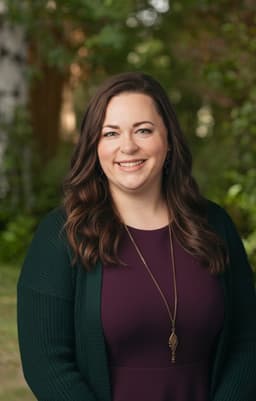
Leah Alissa Bayer
Leah Alissa Bayer, Founder and Managing Director of EVIA Studio
Leah Alissa Bayer, AIA, NCARB, LEED GA, is Founder and Managing Director of the architecture start-up EVIA Studio. First registered in 2017 in California, Leah is licensed to practice in CA, Hawaii, and Washington state and is based out of home offices in Palo Alto, CA and Bellingham, WA, while EVIA Studio serves clients throughout the Pacific States. A true multi-disciplinarian, Leah received her Bachelor of Architecture with an aerospace-centric thesis, a Minor in Fine Arts, and four years of structural engineering from Cal Poly, San Luis Obispo in 2014.
Equally passionate about serving as a leader in practice for her profession as she is to her firm, Leah is dedicated to volunteer work. She is the AIA Silicon Valley Treasurer and incoming Vice President for 2021, founding Chair of the AIASV Practice Leadership Committee, Founding Co-Chair of the Architectural Intelligence Conference, Advisor to AIA National’s Center for Practice, and Chair of the NCARB Experience Advisory Committee.
EVIA Studio isn’t your traditional architecture firm. They’re an award-winning, 100% women-led, virtual team of diverse professionals spread across the country who are passionate about creating exceptional living spaces for everyone. From extra space for a growing family to a vibrant showroom for a new business, healthy affordable housing or a luxurious getaway – whatever it is, they’ve got you covered with their commitment to outstanding service and design. They believe buildings should look great, feel great, and do great things for our communities.
§ SHOW LINKS
/// THE PRACTICE LAB
Conversations are useful. Running the experiment is what changes the firm.
The Practice Lab is where architects test one real change a month, on their tools, their business model, or their own career, alongside peers running experiments of their own. Office hours most Tuesdays.
§ TRANSCRIPTRead the full episode transcript
A I'm Evelyn Lee.
B And I'm Janine Chastain. We're collaborating on curated conversations to explore how the industry is changing.
A Together, we'll find ways to create new solutions to current challenges while elevating the value of architects.
B Welcome to Practice disrupted.
A Hi, listeners. Hello, Janine. Hey, Evelyn. Hey, listeners. How So our next guest, Leah Elissa Behr, is the founder of EVS Studio, and she's actually been on several podcasts recently. We'll probably go ahead how post those in the show notes. But she's been talking more specifically about how she founded her firm, and we are a little bit more interested how and doing a deep dive on what it takes to run a successful virtual practice, which is what EVS Studio is. And this was a decision that how she made long before we found ourselves in our current situation with COVID.
A So I'm kind of interested in what insight she can give anyone how who may be looking to transition to a remote firm on a more permanent basis.
B I'm glad we're dedicating an episode to remote working because I know this has been a big topic this year, and a lot of teams have been faced with navigating an unprecedented time and transitioning design studios or their design teams into a remote workforce. We've invited Leah because she's been running a virtual practice for a while now, and I think she has a lot of great lessons how To share about how to navigate even some of the hiccups that come with transitioning into a virtual practice model. How And I first met Leah when she was running the AI Silicon Valley conference. It was called Architectural Intelligence, and she was also very active with the women in architecture committee there since she's launched her design studio and has been building her virtual practice and managing a growing team of designers.
A So here's Leah's official bio. Leah Alissa Baer, AIA, NCARB, lead, GA, how is founder and managing director of the architecture startup EVS Studio. 1st registered in 2017 in California, how Leah is licensed to practice in California, Hawaii, and Washington state, and is based out of home offices in Palo Alto, California and Bellingham, Washington, while EVA Studios serves clients throughout the Pacific States. A true multidisciplinarian, how Leah received her bachelor of architecture with an aerospace centric thesis, a minor in fine arts, and her bachelor of science, how 4 years of structural engineering from Cal Poly San Luis Obispo in 2014. Equally passionate about serving as a leader in her profession as she is to her firm. Leah is dedicated to volunteer work. She is the AIA Silicon Valley how Treasurer and incoming vice president for 2021, founding chair of the AIA Silicon Valley practice leadership committee, how Founding cochair of the Architectural Intelligence Conference that Janine just mentioned, adviser to the AIA National Center For Practice, how and chair of the NCARB experience advisory committee.
B An EVS studio isn't your traditional architecture firm. They're an award winning 100% women led virtual team of diverse professionals spread across the country who are passionate about creating exceptional living spaces for everyone. From extra space for a growing family to a vibrant showroom for a new business, healthy affordable housing, or luxurious getaway, Whatever it is, EVA has got you covered with their commitment to outstanding service and design. They believe buildings should look great, feel great, and do things for our communities.
A Let's cut to the interview. Zalia, we're really glad to have you here. Why don't you give our listeners just a really quick introduction about yourself?
C So my name is Leah Baer, and I am the how Founder and managing director of Evia Studio, which is an interdisciplinary, virtual architecture firm how And currently based out of Bellingham, Washington, but sort of pop around and practice all along the west coast, Which is granted to me by virtue of it being virtual.
A How big is EVM right now?
C Well, that's a tricky question to answer. There's technically 5 of us on our team and currently Actually have an active, job ad out for another couple project managers And we work collaboratively with a couple other firms. So we sort of have this extended firm size when we're working on those joint projects together. So it's fun where we get to stay small, but also act big when the project demands it.
A So you mentioned that you are a virtual practice. So I think, you know, I even I've even seen in forums recently that there are some how Practices, especially those in the small and medium sized categories that are really considering what would it be like how to continue to work the way we are today due to COVID. But you started a virtual practice how from the onset well before any of this happened. So what was your thought process behind kind of why why you felt the need to do that, I guess?
C Yeah. It's it's funny answering that now because now the answer is quite obvious. But thinking back on why it started that why I think it was really a combination of a bunch of different Factors and forces that all culminated to this is what makes the most sense for me at the time I was currently commuting 4 hours plus a day myself living in the middle of the peninsula and how Driving up to San Francisco every day, for my job, and that was insanity. I was just tired tired of spending so much time in the car. I was also heavily involved in the women in architecture committee at my local AIA chapter and over and over again, hearing stories how of, women in practice had heard so many challenges for people juggling, you know trying to live a very robust full personal life how in conjunction with their professional life and their the expectation of this sort of studio culture and being in an office how 24 hours a day doesn't really work very well when you're trying to have a family or grow yourself personally in other ways, and it just didn't make sense. And I don't have a family yet, but I'm headed in that route. So, you know, I thought about what does my future look like in this car, 4 hours a day, how In an office that demands me to be in the seat 24 hours a day. Is that really sustainable? Is it something I wanna do? In addition to that, I actually had experience at a previous, job where I managed a medical practice, which seems like it's totally unrelated, but they were very traditional, had, you know, paper charts and had to go through the process of transitioning into how This, electronic health record system.
C That's when I was there. And it was this big, huge undertaking, but the result let us Think about what is the future of medical practice look like, and are there different ways that we can do things there? And so results of that exploration, we actually went how to, cloud supported tools. It got rid of our server in house and went to a cloud server, went with a platform that was more web based, And it had such a really, like, exciting and unexpected result for all of the team feeling much more free and untethered, and they had how More flexibility, for example, to keep up on their charting when they are at home. People were a lot more productive, and there was a huge amount of, like, overhead reduced. We cut expenses like crazy. So I think the, like, history that I have there and then my current dissatisfaction with how Spending so much time sitting in a car and then hearing stories about what my future was gonna be like as like a mother practicing in architecture. It just seemed like We have these tools available to us. It's insane to not do this.
C It just it didn't seem like there was any other real choice At that point, it just made so much
B sense. You know, most architecture firms would how be hesitant to go all virtual. They would likely have some concerns because of, you know, the nature of the business. And I know one of the unique things about you is that you have a very savvy mind for operational thinking in terms of an organization. So what What was your thought process regarding being able to make an architecture studio work in a virtual practice setting?
C You know, it for me, it may be that for my mind, it didn't seem like much of a jump how Because most of what we do in architecture studios now is done on computers. And Knowing that that information doesn't have to be stored locally, it can be stored virtually, Then there's not much of a difference in terms of how you work and where you store your files and how you communicate and how What you're doing. I mean, everything is on a computer, and commute computers can be anywhere. So my my thought process there wasn't a lot of barriers. I don't know if that's answering the question, in the way that you we're wanting to get at, but, you know, there was certainly a lot of extra thought put into it as it relates more to how Managing people and culture and innovation, but the operational part of it just seemed like a pretty easy translation how from what we were doing plugged into a screen and sitting on a desk at a computer in an office to doing the same thing in your home.
B Right. I I agree with that observation. And I think as someone who also has worked in this office environment like that, it does seem like most how the younger staff are just sitting at computers all day long. And so I agree that in some regards, it's not really different being at home sitting behind a computer than it is being in the office sitting behind a computer. Yes. Face to face communication is important. But, honestly, in a given week. For me, that didn't happen quite that much.
B Sometimes when I was, like, working on Revit, really, it just happened very rarely, especially around deadlines.
C I sat at, an in an open office in a large architecture firm in San Francisco and, Literally the 2 people sitting next to me and the person behind me, when we were having a conversation, didn't even turn their heads To talk to me, we talked on Skype. So I would get an instant message popping up from my colleague who's to the right of me and just look at her, Like, really? I think we're just so plugged in and used to having that engagement that even being next how each other in person that started to slip away quite a bit.
A When I was at MK Think, actually, we had a there's a row of programmers because we had an innovation how part of our studio. And, yeah, they were just talking to each other constantly on on Skype. And they, like, literally, it was 5 of them all on how All in a row. Yep. And they were I would say they were a mix of, like, gen x and gen y too. So it was Definitely on the younger side, but, yeah, I saw that happening in practice as well.
B And you mentioned culture earlier, so I wanna come back to that idea because I think maybe the when hesitation for people would be the concern around building firm culture. So how do you manage that in your virtual practice?
C Yeah. It's been really important from the get go. I think what I've been hearing a lot from, people who have been forced to work from home is that that's been a real challenge and that they wanna go back into the office how they feel like there's so much missing and they feel disconnected in a lack of culture, and that's totally understandable when you have a company that wasn't set up to support virtual culture. I mean, it is something that you have to understand and plan for, from the get go, that you're not gonna be able to depend on having this in person connection and lean on that, that you have to be very intentional about setting up culture and making it clear and transparent. So for us as a team, it was important to me that we build that together. I had an idea in mind of what I wanted and I started to hire people who fit that, but then there was a point where Now it's not just me picking and choosing these people. It's it's an us, and so we've I've brought it to this point, and we need to carry it on into the future. So everything that we do is transparent.
C That's one of the benefits of being virtual is everything's out there online for everyone to look at. You can lock things down and make things private, but we don't. So, literally everything is available for people to see, and we have frequent conversations about, our future, our values, our vision. We're in our, how What is this? Two and a half years, so it's still pretty young and we're still building a lot. But the beginning of this year, we are fortunate enough that we got together in person To have our very first strategic planning kickoff to start an in-depth process of building culture as a team. And so from there, we've had multiple different exercises, and plans where we have been continuing to to expand on what those decisions were. The most recent was an exercise where we started committing to, values and commitments for the firm. So it's a a group activity.
C All of that is placed prominently in our hub for people to refer back to and how Reference. Every decision we make, we try to refer back to what our values are, as we're growing and evolving as a company. How We also have pretty, like, honest and transparent conversations. We talk about both the good and the bad. It's important for us to feel like we're human and we can relate to each other. How I think giving flexibility inherently allows for a certain level of culture in a firm a virtual firm environment how the people feel comfortable to say like hey I'm taking a personal day I'm not gonna be around for the rest of the day and that's that's totally fine And then we have, built in feedback loops, typical things that you do as a firm, where you request, that your staff tell you who you're doing and how you can evolve and change. I think that's pretty normal. But there are some specific things that we have implemented this year that are how Really working very well, because we did have some challenges as a group when we got together in person that we were concerned about.
C So Some of those are group activities. I think it's pretty common right now to do virtual happy hours, and those have been a lot of fun. We get to know each other on a different level. No work, No work discussion at all. Just having a great time with each other. And we try to bring in a guest, each time we do it so that we get how sort of more, camaraderie and learning about people and expanding our network, that sort of thing. We also are Starting a group exercise class. We'll see how that goes.
C We have been doing, group exercise challenges with quarterly winners, and that's been a lot of fun, but now we're going to start exercising together. So Kate on our team is gonna be hosting group yoga, I think once a month, so that's exciting. Another thing too is that we have this idea of mutual mentorship, and so we invest a lot in educating one another. And, as a virtual company, That's been almost easier because we're all able to access that education and participate together. So there's not really this need for 1 person passing how information down to another in an office setting. It's sort of like, we have a a pool, a Slack channel, where anyone can request education, and then we as a group how Schedule a session for us to either train each other, with what we know or bring in somebody else, or sign each other up for sort of a group how covered activity. So there's a lot that we actually can do to build culture in a different way that you wouldn't necessarily be allowed how in a physical setting that I've really enjoyed.
A Just hearing a lot of what you've set up and the word that the fact that you used the word intentionally how in several several times over that, I over the course of kinda describing and building culture virtually, I think, is is really key to how that is done successfully. I feel like a lot of especially if you're starting in person, how People tend to be like, you know, this will happen and come together very organically. Right? We'll just like, hey, does anyone wanna go for a happy hour? How It's much more kind of spur of the moment. I almost feel like the intentionality is back to the day where, you know, I didn't have text message. So you, like, If you wanted to go to the movies with your friends at night, you needed to coordinate all of that in advance and earlier how during the day, so you actually all showed up for the movie later on. But, anyway, it was just interesting to me that, like, how Your your processes just have to be that much more structured in a way to build the organic culture virtually.
C Yeah. Definitely. And it is kind of a tricky balance between not wanting it to feel like, you know, your typical, Like, let's get together and have a corporate retreat full of structured icebreakers. You know, there has to be that organic group decision and devolution, and flexibility, but I think having thoughtfulness put into a foundation to allow those things to happen, is the right mix. And Sometimes we get it right and everything's wonderful and sometimes it falls flat and we have to reevaluate, but I think the the point is that we're paying attention to it, and trying to find things that work for everybody. So, yeah, definitely being intentional is a factor of what you have how to do as a virtual firm, but also I think can have the result if you do it of creating better culture overall. I had, a question for you. So one of
A the feedback that I'm getting a lot from principals is the ability to how To train, like, the emerging professional. Right? And I think they're for some reason, in our head and it's funny that you and Janine even just said, like, you would go weeks on end how Just sitting in front of the computer doing Revit. But people have it in their mind. Right? Like, that there's this notion that training an individual means If they have a question, I'm just sitting on the other side of the wall so they can tap me on the shoulder and ask the question, or or I can how be walking by their desk and seeing, I don't know, seeing they're doing a red line wrong or something. So what, I guess, what is your response to that and kind of how Bringing up a recent grad in this type of environment.
C Yeah. I hear that also. I think, how You know, you're you're familiar with what you know and what you experience, and sometimes it's hard to see how something might work differently. So firm principles are like, well, this is the way that I was trained and it was really valuable to me, which was I'm sure certainly true. And so feeling like their staff are gonna miss out on that can be a challenge, and seem like a large barrier. It's important to let go of the way that you had done things, I think, and try to consider How might we do things differently for a generation that maybe doesn't necessarily respond even anymore to that way of learning, And and that's hard, but, you know, training and bringing in a new intern, we had an intern over the summer, and it how It really wasn't that hard. I mean, they're in they're plugged in to our system. Again, they have, access to everything that we're working on.
C How Everything we do together is done in a setting where we're screen sharing our work and talking about our work together. In Slack, they have access to the entire staff. And so that's one thing that's quite different is if you need to ask a question, you don't have to depend on somebody being right next to you because, I mean, I've been in firms where the principals weren't around or they were just too busy. And so on one end, they may think that they're providing better mentorship by being physically present and leaning on just that physical presence again, not necessarily having to have an intentional how program of mentorship and depending on that organic thing happening where it doesn't really happen as often as it it truly probably should or need to. So by not being able to depend on, oh, you know, Sarah is just right there. She can come to me if she needs me. I have to think Sarah needs this support. What do I need to provide? You know, what system do we need to give for her? What access how does she need to have, and and plan that out for her.
C So it's fundamentally different. I think it's really hard to get people to shift and think differently about how to provide that sort of mentorship and education, but we've done it quite well So I have biweekly meetings with my team. We have career development planning boards that we do together. We've recently started doing Loom videos and building up a library, educating each other on how to do certain things because it's a lot easier to just perform the action and record what you're doing and send that to somebody. And we're always all available to each Heather, and I think that speaks back to also culture is that everybody loves that you can just ping somebody and say, hey, you're really good at this thing. Can you help me with this? And then they can respond whenever they're available, but that interaction has been enacted and the engagement happens on everyone's own terms. So there's always an opportunity to request help or mentorship, and it can always happen because there's, you know, there's a record there that allows people to do it when it works best for them. So I I love it.
C People have enjoyed it. And, yeah, the younger generations are sort of used to using tech. So fortunately, it's an environment that I think that they feel very comfortable
B I can relate to what you're saying a lot. I mean, I I do think it's an issue of comfort in some ways. I I mean, there is value sometimes in getting together and watching someone draw something in person, but, ultimately, I think it comes down to comfort with the tools and, how like, being able to be adaptable and flexible in order to, like, try it differently because you can still have communication in different ways. It doesn't always have to be face to face.
C Yeah. And I think people might maybe dismiss how Me or my company and think, oh, she's young. She's a bunch of young kids. But one of my team members is in her sixties, let's put it that way. And, yeah, she had some resistance to being able to not hand draw things and we said, okay, print stuff, red line it, and whatever works well for you. But After about a year of working in this virtual environment, she has fully embraced the tools, loves working in blue Bluebeam, will just screen share with whoever needs help and mark things and walk them through a set of plans just like you would in person. So just just take, I think, a growth mindset and a willingness to adopt new tools and to work how in a different way, but there are certainly so many tools available for us to do this really well.
A And I don't want you to sell your short yourself short how Either. Right? I think following the pandemic, there will inevitably be people who are more agile and adapt to this way of working. And when we're back into a competitive market and I'm hiring for or you're hiring for a project manager and all things being equal, Somebody says you have to come into the office, and somebody says you can work at your own pace, get the job done, or a virtual practice, then how Then they're probably gonna go with a virtual practice. So, if it's not a competitive advantage now, I think it's definitely a competitive advantage in future when it comes to talent.
C Absolutely. And then just not being restricted to your local area. I mean, there are a lot of advantages to, how Hiring and retaining staff and growing the right team, for sure.
B So, Leah, how do you innovate in a virtual practice?
C What has been great about being a virtual firm is that we do have really low overhead. You know, our our costs are quite minimal And what that allows me to do is invest in exploration, and those things that are not necessarily billable. I can take what we might be spending on rent and utilities and invest that in somebody and their ideas, and test things out and how Pay for our team to try out, new systems and design strategies, platforms, whatever it might be. So we're constantly doing that, which is I have to be I have to be a little more careful and make sure that we're not going off in that threshold, but so far so good. How And as a new company, I think inherently you're gonna be trying out and testing out new things. You know, we do things like reevaluate lessons learned, which I think is quite how after every project, document that, and implement on our next. But we're also doing things like constantly testing out new platforms. I hired a friend of mine who is not an architect, who's done no architecture in her life, has no idea about the industry at all or anything about architecture, but she's a software engineer.
C And it's clear that we're moving in a direction how where that's a very, very valuable pass on on a team, both from, you know, the modeling end, but also from an automation standpoint. So for me, I'm always thinking about ways that we can be even more efficient and you know reduce out the redundancies of tasks how that humans don't actually need to perform. And so bringing Kyle on, we've been able to bring in new platforms and new automations that are even further streamlining that process So we can focus on the 2 things that are most important, which are the genuine engagement with our clients that we love to have, And then just doing really awesome design, you know, being more innovative in the design sphere. So by virtue of not how Spending money on a a physical space, we, you know, we have opportunity to do a lot of really different fun things. How
A Yeah. And it's interesting to me, like, again, that kind of testing out things isn't inherent to the culture, so I think it it builds how ability to to innovate in in a lot of different ways. Right? Not just operations and process and, how Automations, but also kind of on the more the more creative end. Talk to me a little bit about, Like, about trying platforms. So for instance, I know you were going through through testing out a different whiteboarding platform for a while and figuring out what works best how for you. So just I'm sure there's definitely some firms that have settled into one or another, but, you know, just For a firm that's still trying to figure it out and trying like, how how did you set that up, and and how did you ultimately decide how to move forward?
C So for that one and for a few different adoptions, we identified somebody on the team who happens to be Victoria who's really our tech champion. She enjoys researching and understanding technologies, and so we tasked her, or I how Really, Tucker. To start looking into what are the options available and bring to the table some of the pros and cons, and let's pick how the top 2 or 3. And we do that, we get together, and then we just plan out, okay, we're gonna we're gonna play with this one for the next how few weeks or so and see how it goes and just sort of work through that process. So many platforms have free trials, so it makes it pretty easy to test things out, And it doesn't have to be anything intense. You know? Just during a group meeting, let's look at a project together, throw it into this whiteboard, and sketch on it as a group and see how it feels, see if it feels like something that we're comfortable with or that makes sense or enhances our workflow. I think That's a huge one. A lot of, a lot of people adopt tools because there are tools to adopt.
C I think how that then we have the tendency of spending more time managing tools than allowing those tools to help us manage the work that we're really supposed to be doing, which is architecture. So it feels like it's cool, but maybe we're spending more time on the thing than the thing is allowing us to spend on our projects, then it's not right for us. So ultimately, in the case of the whiteboards, we tested a few out and they had some pretty great features, but what we found for us is a simple how Green markup tool was more efficient than having a whiteboard. So we use a simple Epic I think it's called the Epic pen, that you just pull up and you can sketch on your screen, take snapshots, draw like arrows, circles, text, whatever it's quite flexible take a snapshot and send it to whoever it needs to go to and leave it at that we we found we didn't actually need a whiteboard that was permanent. We had other places where those things were living. So it's it's, you know, it's It's going through testing out different things, evaluating the pros and cons, what we like about it, but then ultimately deciding is is this more efficient? How Does this enhance what we're trying to do better? And if not, then it's just not worth it then.
A I like the approach you you take, and, actually, I've I've been even one that, like, has gone in the deep end when it comes to testing things. Like, oh, if we're gonna test this out, we have to be fully committed to doing this for the course of a project. How So it's just kind of nice to hear that. Like, there's just, like, test it out at a high level. But also even if you've worked on it, how I think you and I have talked that even if you've worked on a software, like, for a year, it's also it's all it's also okay to switch how Because technology is moving so quickly, there's new there's just new offerings coming out, so quickly. Like Like, there there may be a company out there that we don't know that 2 years from now, it could accelerate everything that you're doing. So it's definitely worth, like, checking out.
C Yeah. There is a little bit of anxiety and feeling like it's okay to let go of a thing, and I think also there are some team members that may feel like how They're in adoption overload and too many things. Right? And that's fair. If that's the case, then we try and just work on it as a smaller team with those that are how comfortable and then roll it out to the larger group to say, hey. How does this feel? So, yeah, I think being flexible, how letting things go, testing out is really important, but then there are some really big choices that you can't necessarily do that with. Right? So, like, your modeling platform is a big investment. There's a lot of education that goes into that, same with what we just adopted for a full, like, project and practice management system. So there's a little bit more that needs to go in the investment there.
C But if you think about the return on investment and adopting something that's that robust, it's it's well worth the time to to spend.
B So I've heard you talk about the whiteboard and and Slack. And then, of course, I know you're doing virtual meetings with your team. What are other ways that you're collaborating to ensure that that communication is happening within your virtual practice.
C So the biggest one that we just adopted is monday.com. It was sort of the piece that was missing, which was tying all of our communications together in a way that allowed us to take real action how on our work, and also layer in a level of automation. So we've really enjoyed working in Slack. We've really enjoyed having documents how We can collaborate on in Google Drive. You know, somebody doesn't have to own it. It's everybody's. We can all work together. As you know, he is it too.
C But having a space where we have more accountability to one another as we grow has been Something we recognize is a challenge. We don't wanna stay small forever. And so if we're gonna continue to grow our team, There needs to be a better way for people to sort of group off and build mini teams and manage what's happening happening within those and have that speak to the overall larger portfolio and picture, which is what I need to focus my my time on. How So this was a sort of a challenging process. There's a lot of project management platforms out there. They all do some things really well and there are different reasons for people choosing which one they want to use and I think the biggest drawback to Monday is that it is really, robust and flexible and does have the opportunity to build in Anything that you really want I mean, it's you can build it out the way that you want But you have to know what you want to build and you have to take the time to how to do that. So it's been quite an investment to get it built up, but it is really transformed the way that we work together, and also with our extended teams. You know, I mentioned that we're working with other firms on projects.
C The opportunity to have something that doesn't require somebody to download a new app has been important. And so we can invite people into this space, into the board, and it can connect with whatever sort how Platform they use to manage their own work, but it gives us the flexibility to sort of grow and expand, to those additional, architecture teams as well as our consultants, that sort of thing. So it's looking at what might be scalable, as we grow from 5 people to 50 people to 500 people So again, it's those particular platforms that how will stay with you for a long time that are the foundation of your business. Take a little bit more thought in an investment in.
B I really appreciate hearing you say that because that, to me, I'm hearing 2 really important things out of this conversation. 1 being setting up processes because it's gonna help you in the long run. So flag that 1 in your mole skin, everybody. And then, 2, I heard you talking about, eliminating, inefficiencies in your work, so things that you can, you know, expedite so that the work is focused on where it matters most. That's gold. I love that you said that. Is there anything that your practice struggles with, being entirely virtual.
C Yeah. You know, I I think it's pretty obvious that, like, loneliness is a challenge. I think we're all feeling that. I had a A former colleague of mine called me this afternoon and just lament not being able to get together over the desk or grab a beer together, and it's hard. I think those moments like the virtual happy hour or exercising together help, but how It's it's just something that we have to adapt to. Those in person meetings are really critical for us, so we're struggling how Contemplating what we're gonna do that typically would happen in December and January, and we're just not comfortable at this point doing that. So we're trying to how Find some things that we can do as groups to resolve that loneliness, but I think allowing people to be flexible with their time, take time off, how Spend time with family, do what they need to do with their contacts that are close to them to sort of ease that loneliness is how is more helpful than trying to find ways for us to spend more time on Zoom meetings together. So that is that's a challenge.
C I used to joke that pointing pointing is really hard. Like, that's the random thing that you can't do. And clients try all the time in a meeting, like, can you see what I'm pointing at? No. You know, I can't. That was That is still a a bit of a struggle. But, yeah, I I think just the, like, The organic the thing that we talked about before, those organic moments that happen, when you're next how somebody or you overhear somebody talking about a thing. Even though you can follow conversations on Slack, it's different. There's a bit of magic that's missing there.
C One thing that was a challenge, and I think it's less of a challenge, is the legitimacy of a virtual firm. I think before COVID, both clients and other architects or consultants would sort of question whether or not you're real. Are you a real company? You know, are you actually a professional? Are you doing good work? Are you some, like, sketchy unknown human in a basement? But that's changed. You know, a lot of people, I think, are seeing that it's possible to work from home, so I'm hoping that that Discrimination, if I don't know the right word, against a virtual practice not being, like, a real professional, entity will go away a little bit more. I think it'll still be there, but the type of clients we want to work with are probably the type of clients that embrace evolution, innovation, and change anyway. So if they're not comfortable with it, there's there's plenty of other firms that they can work with in person. But, yeah, that was definitely how A bit of a challenge, not having an address that people can stop by.
A Is the loneliness part of it a subset of, like, just the epidemic we're going through now, or is that something that is present in just in a virtual practice in general?
C It's definitely exacerbated because there's so much that's going on that people are having a hard time handling and, like, need people around to talk to and commiserate with, but it was there before that. You know, it was something that came up in her retreat that there is this thing missing, a physical presence missing. You can you know, you feel differently when somebody is next to you, how And it's really great to be able to see each other on a screen and talk to each other in that way, but you don't feel their presence with you or that warmth. And so, yeah, it's it's there. It's the nature of a virtual practice I'm hoping that the balance like I said of being able to sort of spend your time and not expect that your your work in your business is where you should be how Satisfying that loneliness and that you can take care of that with your community and your family and your friends, with more flexibility to spend how those things will sort of shift where we're depending on having that connection because if you think about it, you spend more how in an office with your colleagues than you do with friends and family and anyone else, and that I don't think that's how it should be. So how Maybe we'll see that change over time, but it it is a challenge.
A What about so for instance, I know how As as the company that I work for is growing and is now a remote first company, there are only certain states how that people
C can move to because you have to establish
A an entity there or, you know, you, how As an owner, have to pay state taxes to multiple different states if you have company in different states. So so pragmatically, like, how has that made it more difficult, maintaining a virtual practice.
C I mean, it's more complicated. I just, Like, got through registering my business again in Washington. So having to track and manage all of that is how Complicated. I hope as we grow, I'll be able to invest in somebody who manages those things. But to me, the benefit outweighs those challenges. It's just sort of an operational, like, housekeeping thing and the cost of paying state taxes in different areas or registering your business in different states or licenses is how Significantly less than, you know, the cost of rent and utilities as we said. So yeah. It's it's a pain.
C You have to how take good records and keep on on track of when all of those things need to be done. But As
A I was gonna say, I know a few firm leaders who can't even keep track of, like, how their reciprocal licenses to different states, let alone what states they should probably be paying. State taxes and
C There are tools to take care of that for you. Yeah. You know, keep good records. And if you can't, then hire somebody that will do that for you. You hire a foundation.
A So I think you've talked a lot about the different benefits how From a hiring standpoint, from, you know, from everything that you mentioned as to why you started
C how A virtual practice in
A the 1st place, and I and I hope you actually see some of those motherhood benefits when you reach that stage in your in your life. How Are there any other benefits that, like, just may not be as obvious that people might be overlooking or or not considering?
C One thing that wasn't, obvious to us was the level of resiliency of a virtual practice. I mean, Nobody knew that this year was gonna happen, and it's been chaos, but our business has essentially Continued uninterrupted. So I think having a more decentralized system, how Investing in in people and building up their strengths and allowing people to work autonomously and then just having this sort of very flexible how Connectivity between one another really prepares you for taking on a lot of changes in the world. You know, the physical world may go through a lot of I I don't even know what who knows what to expect coming next, but, You know, we're we're still able to come together and continue working and take care of both how those challenges, personal challenges, and their own work. So that was definitely a really, important how Benefit. There are a lot of practices that have severely struggled in a lot of different ways and we're fortunate that that didn't happen. So I couldn't say that I predicted that, and that's why I started the virtual firm, but it definitely has been really beneficial.
B Well, I think it's just really interesting to me to see that you are out ahead of the curve. You know? And It's a great example of, like, when you dig your heels in and you're so resistant to being open to trying something. I mean, I know studios where how people asked for remote work for years and and partners were very against it. And, yet now we're in a situation where you can't say no anymore. And I'm sure you're so glad that you didn't have to go through the growing pains that many of those firms had how to do in the 1st several weeks of this, because you'd already gone out and tried to pilot and test this idea, and how you'd gotten through some of the growing pains early on and said that you were already established to be able to do this. I think, and I'm speculating widely, but I think that this will grow in acceptance and, will become more normal, you know, within the next 10 years. I mean, I could imagine that this is the beginning of a new model of practice that will catch on, and I could see a lot how more types of firms adopting this in the long run. But right now, it feels new and foreign and maybe, like, a little bit uncomfortable for a lot of how but I do think that, you know, other industries have been able to do this and and adapt to it.
B So there to me, there's no reason how that architects can't.
C Yeah. Yeah. I agree. I think there's gonna be a lot more virtual work and a lot more hybrids, and I think a lot more exploration into if we're virtual, are there other ways that we can support one another, Physically, I mean, that it doesn't have to be just, like, completely virtual or completely brick and mortar. I think there are a lot of opportunities for testing out different models or looking at, like, you know, little hubs of places in different areas or being more flexible with co working spaces or, you know, how We're then looking at communities and how are we even designing communities and suburban areas and residential areas. Are we really looking at how Designing in a different way for people in general. Maybe neighborhoods become mixed use and there are sort of these co working zones within residential neighborhoods. Think there's just a lot of, like, really interesting things to think about beyond our own industry, and how does life and work how Change so that we can get back to focusing on things that really should matter.
A You actually have talked about, or you mentioned how Several times just over in this conversation about growing your practice to a much bigger practice. Do you actually think it's easier to scale a virtual practice than a physical practice because I feel like so many so many of the practices that are how out there that are looking at transitioning to virtual are the small and medium sized firms. But you have much bigger hopes and dreams. How So, you know, what do you see as any concerns or or even opportunity as a virtual practice to how to scale, and is there really limitations?
C This is a really, like, great and probably how complex question, that deserves a a longer and more thoughtful answer than I can give. I don't I don't know what the challenges are gonna be scaling to that size. I think in the beginning it's easier. How We have more access to people, and so growing a team has been really a pleasure for me. I love hiring And bringing in people to the systems that we already have is is also pretty simple. We how We just add another user and pop them in and there they go. But I think there probably will be a point where it feels like So many people in so many different places and spread all over the country or the world. And how do you feel like you have a sense of place and home there? How It's it's really hard for me to fathom.
C I can think about my team. I know where they are. They can picture where they are in their homes or their different states and what their experiences are like and how we sort of connect to one another. I can see that. If there are 500 people, I how I think I'm you know, for me, that's more of a personal question about how do I manage growing into a much larger firm? And what is that like? And what does that mean? So, yeah, I think, operationally, there may be a lot more things that are quite easier, But culturally, for a much larger practice, you're separated, of course, into different spaces, but those are how much smaller and so you have the benefit of creating place and community within that particular location in a much larger virtual firm. How do you How do you decide how to create those, like, smaller little pockets of culture, and not feel like you're alienating people or siloing people? How So I do. I think that's a really challenging, important thing that I'll let you know and if I were to use what's going. How We'll see.
A But it's but it's not I would say it's not it's not dissimilar from what I hear when, like, you know, people always, Like, kinda talk about, like, how big they want their firm to get to, and then there's that threshold, right, of, like, what happens after we become more than 40 people. How Or, you know, even in tech, we talk about, like, the start up mentality and the culture that's created within a small group of people that are constantly working together in a health space and how that how that cultural shifts, like, when you get a beyond beyond 100 people, or now you're even living on 2 floors instead of 1, how and you're not running into the same people that you always ran into every day. So, anyways, it's an interesting kind of correlation for me to draw that, like, how What you think about as you scale is actually kind of similar in a way. But, I mean, I guess I would argue that how A virtual practice is scalable. The challenges are are similar, but just, like, different.
B So, Leah, if someone was interested in starting or more permanently transitioning into a virtual practice. What advice would you give them?
C I would say how Stop thinking about your practice like you have been for the past 10, 20, 30 years. Don't try to force what you've been doing how into what you've adopted in the short term thinking that it would only be short term. I think that's that's really the mistake, how and the challenges that I've seen where there was this mad dash to go remote And people had to do things very quickly in order for their company to survive and have just sort of been working with that and hobbling along and evolving with that system, hoping that they can how go back to the way things were before. And so there's this, like you know, this is a necessity of what we're doing now, but I think also this idea that I don't really wanna do this. I miss what we've how If you really do wanna go permanently and transition into a virtual practice, you have to fully embrace that idea and what that means and allow yourself to be open to the opportunities of completely stripping things down and looking at doing things differently than you have before. Again, invest in systems, like, that's That's huge. Think about the systems that you had. Think about if you wanna maintain that, what does that really look like if it's done correctly? How Take time to invest in doing it the right way upfront.
C You know, there is this opportunity cost how to having carried on and sort of patching things over time. And if you continue on in that, you are gonna lose out how on a lot in the long run. If you don't sit down and sort of evaluate what's working, what's not working, what do we really wanna do long term and how and stop and really set it up from there. So I I think that's, like, the biggest the biggest thing that needs to be done both operationally, but also culturally. You know, you can't expect that same culture to carry on in the same way. You can maintain what your culture is but you have to support it differently. You have to find ways to cultivate and support that in a virtual environment. So it's it's not really necessarily like This is this is a formula for how to be successful in virtual practice.
C It's just be intentional, think about it, invest in that time how Now if you want it to be permanent and talk to your team and put together a task force and start building out how you're gonna how create a virtual practice.
A So if you happen to hear, Daniel Tiger or doc McStefan in the background, it's because I just wanted to mention to our listeners that my 3 year old daughter is in the room since she is I wanna say she's going through a phase, but she's actually never left this phase where she wants to be near me all the time.
B It feels very appropriate that on episode that we're talking about working from home, your daughter is your studio buddy this evening. And I have to say, I've heard a lot of stories from friends about balancing the the act of parenting and working in the age of COVID. But During this whole season of recording with you, it's been really impressive to watch you take that on in real time with both of your kids and then working and recording, so kudos, Evelyn.
A Thank you. But, Janine, you've also admittedly have how Started recording sessions at midnight to work around my schedule, so thank you for that as well. No worries. This topic is really actually top of mind for me, especially with another tech tech giant. So Microsoft announced this week that they are also making the move to a remote friendly work how and allowing their employees to choose to be permanently remote. So one of the things that actually really stood out how To me in that conversation with Leah was the intentionality with which she developed her firm's culture, how But also the development of the individuals within practice. And she talked about the value of mutual mentorship, which was interesting to me, how and a way to begin to bridge a gap that I've heard a lot of firm principals be concerned about, with this forced move to remote work. How So the general consensus is that they're less concerned about the people that have been at their firm for a while, But they're more concerned about the development of some of their younger employees, which they see as individuals that need a a little more, I would say, in person hand
B holding. I can see that. And I think it's clear that transitioning into a remote work how work style requires a willingness to do things differently. So there's you know, I'm what I'm hearing in what you just said is there's maybe a issue of trust with people who've been there long enough that they understand how the work policies work, and so they're able to go remote with the trust that they'll get the work done and then perhaps younger staff, while they may be able to do the remote work, there how could be issues around them not knowing the culture of the firm or the policies of the office and, needing a little extra 1 on 1 attention to get direct feedback from their managers. Like anything, there's gonna be pros and cons when you take on something new, and there's gonna be moments of success as well as bumps in the road. And I've heard some of my friends report that they love working remotely, and they really hope that their design studios don't go back to a 5 day a week office environment. And on the other end, I've heard friends say that they don't enjoy remote working, and that they are eager to go back. In fact, my husband actually decided to go back, and he sits socially distanced across the studio from his, bosses.
B But, how He prefers it that way. He feels more comfortable being in the office. And I've noticed that a lot of firm owners seem to be the first ones hack in their office entirely. To me, the lesson that everyone can kind of focus on is that in order to do anything new, there has to be a general acceptance of letting go of old norms to make space for new norms. If you're mentally stuck on an idea that it's not the way it was 12 months ago, then you're gonna have a much harder time if you can't let go of that mindset and adopt a mindset and willingness to adapt.
A How Right. And I think there's absolutely benefits to a remote practice and or a virtual practice. And one of the greatest benefits is, the ability to expand the talent pool. Right? So a lot of tech companies see remote work as an opportunity to hire somebody who, given their circumstances, whatever they may be, they might be not be able to be how in a position to relocate or it's, you know, actually just too expensive to pay people
C how What they need to pay to,
A to be as as as well off in a city like San Francisco than it is living in other parts of the country. So this is very true of a virtual practice. It really means that you can hire the right person you need for your company independent of where they live or how expensive it is to live in the city where you are currently based out of.
B Another issue that Leah how Raised was about treating employees equitably. And, actually, what we're talking about and this topic that she brought up really raises this idea of that there are a lot of different opinions in an office environment about how people should do things. And just because how senior level manager has an opinion doesn't mean it's the best way to do things or just because someone else has a different opinion. Again, it doesn't mean it's the right way to do it. A lot of different people have ideas about what is fair and how things should be done. You know, some managers look by the rule that there's a series of rules that everyone follows, and in their minds, this makes things equal. However, there are other management styles out there that look at individuals on a more case by case basis to offer employee support where they need it in order to get them to do their best work. And, Evelyn, you gave the, I think the example in the interview about the start time, like, there being a definitive start time to the day.
B And I think another example is this kind of concept around power inequity that's present in a management and employee relationship. This can create huge barriers in communication that make it hard for individuals to even voice their concerns, let alone hold their managers accountable. How
A Yeah. So for me, one of the most important takeaways from this particular conversation is that in order to be successful in this mode of how in this mode of working. You really have to abandon how you practice beforehand, especially Whether it's coming to practicing virtually or in a hybrid, it's not a matter of this is how we did things previously and finding a one one fix to convert it to a virtual practice, But rather, it's a reassessment of how and why you did everything the way it was done previously, how relevant it is to the success of the project, And, you know, is there a different approach altogether that is better than how it was done before? It's it's not a here's how Here's something, and this is how we do it in a virtual space.
B I also wanna reiterate this idea about defining processes and eliminating inefficiencies. You know, we've also talked about this on previous episodes. And while each building that, an architect will design is gonna inherently have, different problems to solve. It will require different skills. There'll be maybe some different processes involved, and there'll be a discovery process towards a unique path for that building. But I agree with Leah that in a firm setting, emphasis on creating processes creates clarity for your employees, and that's the big idea. Think of it as leaving, like, breadcrumbs for others to follow. Without guidelines or communication or access to information, A lot of time gets wasted in reexplaining, reeducating, correcting wrong work, and wasting time on things that just don't matter.
A Yeah. I think there's a lot of articles that I've been looking at, for my job, but just in general about how not being able to undo the current state of work. Right? That going forward, we will inevitably be practicing in some how in some type of hybrid matter, if not virtually altogether. And before, I think, anyone settles too much into this new norm, how You know, and ultimately find themselves struggling when things are back to what we consider business as usual, that we need to take the time to consider if the Band Aids that we put in place how When we quickly had to adopt and move to virtual and remote work are just that. Are they just Band Aids, how Or are you really practicing in a way that can scale and operationalize when things get back to normal to really make your practice successful? How So for those of you that are actually considering a move to hybrid operations or moving from brick and mortar to something more virtual on a permanent basis or how Or
C even starting your own business
A as a virtual practice and could use some guidance. Leah and I are considering creating a course on practice of architecture. So if this how something that would be of of interest to you to learn more about starting your own virtual practice. Please do not hesitate to email me at evelyn atpracticeofarchitecture.com, and let us know what you would like to learn. Thank you for listening, how And be sure to tune in next week for an extra special guest. Thanks for joining us on Practice Disrupted, a podcast by Practice of architecture. Visit us at practice disruptive.com to find out more about future episodes and the changing nature of practice. This show is part of the Gable Media Podcast Network.
A You can learn more about other podcasts in our community by visiting gablmedia. How to come. If you enjoy the show and want to hear more content like this, you can help us by leaving a rating, review, and subscribing on your favorite podcast app. Don't forget to share with your friends, and feel free to let us know what other topics or speakers you are interested in hearing about. Thanks for listening, and see you next
§ TOPICS
Firm OperationsPractice Innovation
§ MORE EPISODES YOU MAY LIKE


/// THE WEEKLY READ