
/// PRACTICE DISRUPTED

§ EPISODE 225
Small Firm, Big Commitment: Rethinking How Architecture Invests in Diverse Talent
What does it look like when a firm stops just talking about diversity and starts building a tangible pathway for the next generation of architects?
In this episode of Practice Disrupted, Evelyn Lee is joined by Leah Alissa Bayer, founding principal of Architects Fora, and Gabriella Vaz de Freitas, the firm’s Technology Lead and a former recipient of the “FORAship.” Leah shares how her fully remote, women-owned firm moved beyond industry-wide conversations about the “pipeline problem” to create a structured, year-long scholarship and internship program. Gabriella, who moved from São Paulo to California, provides a firsthand account of how the program’s financial support and intentional mentorship allowed her to transition from a student to a leader in AI-enabled design and firm technology.
The conversation explores the mechanics of the FORAship, an immersive experience designed specifically for underrepresented students. Unlike traditional internships, this program integrates students into business management conversations and specialty research, ensuring they have a seat at the table from day one. Leah discusses the strategic advantage of investing in international students and entry-level talent, while Gabriella explains how she leveraged her role to spearhead the firm’s adoption of generative design tools and new visualization workflows.
“Our profession is only as strong as those that are coming into it after us. And it’s our job to make the space and support system for that to happen.” – Leah Alissa Bayer
Beyond the logistics of the scholarship, the episode delves into the benefits of a fully remote practice for mentorship and firm culture. Leah shares her “five-year goal” of creating a cohort of small firms to rotate internships, making the process more manageable for employers and more impactful for students. For those navigating the transition to practice, especially international students requiring visa sponsorship, Gabriella’s journey offers a roadmap for finding firms whose missions truly align with their personal and professional values.
Leah Alissa Bayer, AIA, NOMA, NCARB is a founding principal of Architects Fora, a fully remote, women-owned firm focused almost exclusively on affordable and restorative housing design. A former local AIA component president, she is dedicated to creating better work environments where diverse populations can succeed.
Gabriella Vaz de Freitas is the Technology Lead at Architects Fora and a former Fora Ship recipient. Originally from São Paulo, Brazil, she graduated from Cal Poly and now specializes in AI-enabled design processes, graphic communication, and the implementation of generative tools.
This episode is especially for you if:
- You are tired of “token gestures” and want to see how a small firm can build a legitimate program around equity and belonging.
- You want to understand the logistics of running a combined scholarship and paid internship program.
- You are an international student seeking advice on finding firms that support non-U.S. citizen applicants and visa sponsorship.
- You are curious about how to manage and mentor entry-level staff effectively in a fully remote environment.
- You want to hear how a new graduate can lead technology research and AI implementation within a firm.
§ GUEST
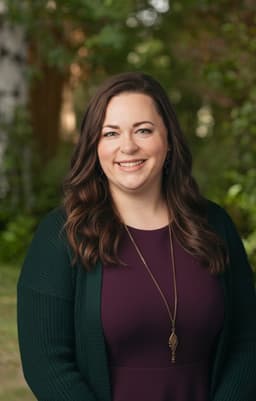
Leah Alissa Bayer
Leah Alissa Bayer, Founder and Managing Director of EVIA Studio
Leah Alissa Bayer, AIA, NCARB, LEED GA, is Founder and Managing Director of the architecture start-up EVIA Studio. First registered in 2017 in California, Leah is licensed to practice in CA, Hawaii, and Washington state and is based out of home offices in Palo Alto, CA and Bellingham, WA, while EVIA Studio serves clients throughout the Pacific States. A true multi-disciplinarian, Leah received her Bachelor of Architecture with an aerospace-centric thesis, a Minor in Fine Arts, and four years of structural engineering from Cal Poly, San Luis Obispo in 2014.
Equally passionate about serving as a leader in practice for her profession as she is to her firm, Leah is dedicated to volunteer work. She is the AIA Silicon Valley Treasurer and incoming Vice President for 2021, founding Chair of the AIASV Practice Leadership Committee, Founding Co-Chair of the Architectural Intelligence Conference, Advisor to AIA National’s Center for Practice, and Chair of the NCARB Experience Advisory Committee.
EVIA Studio isn’t your traditional architecture firm. They’re an award-winning, 100% women-led, virtual team of diverse professionals spread across the country who are passionate about creating exceptional living spaces for everyone. From extra space for a growing family to a vibrant showroom for a new business, healthy affordable housing or a luxurious getaway – whatever it is, they’ve got you covered with their commitment to outstanding service and design. They believe buildings should look great, feel great, and do great things for our communities.
§ SHOW LINKS
/// THE PRACTICE LAB
Conversations are useful. Running the experiment is what changes the firm.
The Practice Lab is where architects test one real change a month, on their tools, their business model, or their own career, alongside peers running experiments of their own. Office hours most Tuesdays.
§ TRANSCRIPTRead the full episode transcript
A This episode is brought to you by Gelt. Firm owners, are you overpaying on taxes? I use Gelt for my business and saved over $10,000 in year one. Visit joingelt.com and mention Practice of Architecture for 10% off your first year. Welcome to Practice Disrupted, a podcast exploring how architects can build better businesses, embrace emerging technology, and create more sustainable sustainable, fulfilling practices. I'm your host, Evelyn Lee, architect, angel investor, and founder of Practice of Architecture. Whether you're running a firm, starting your career, or reimagining what's possible, this podcast challenges you to think differently about the future of architecture. Hello, disruptors. Welcome to this week's episode of Practice Disrupted.
A The architecture profession has a pipeline problem. Schools are more diverse than ever, and yet somewhere between graduation and practice, that diversity disappears. Firms talk about wanting to change that, but most never move beyond the conversation. Architects Fora is a fully remote, women-owned firm based in the Bay Area in California, almost exclusively focused on solving the housing crisis through affordable and restorative housing design. From the beginning, their values around equity and belonging weren't just something they talked about inside the firm. They built a program around them. The Fora Ship is a combined scholarship and year-long paid internship specifically designed for underrepresented students in architecture. And it's not a token gesture.
A Fellows work closely with firm leadership on business management, contribute to specialty research, and join real project teams. It is a kind of immersive, intentional experience that most interns never get. Joining me today is Leah Alyssa Baer, one of FORA's founding principals, and Gabriela Vaz de Freitas, a FORA SHIP recipient who came to California from São Paulo, fell in love with the idea that architecture could be a tool for housing equity, applied to the program not once, but twice, and is now on Fora's team full-time as their technology lead. This is a conversation about what it actually looks like when a small firm decides to invest in the next generation and what the rest of the profession can learn from it. Hi, Gabby. Hi, Leah. Welcome to the show. I'm so glad to have you all on today.
B Hi, Evelyn. Thanks for having us. We're really excited to talk about this together.
C Thank you, Evelyn, for having us. Very much excited too.
A Leah, we've had you on before to talk about virtual practice, so I'm going to go ahead and drop that link below. I think you and I even joked in the preparation for this call, we're like, we're done talking about the virtual practice, which is not why I brought you on here. But why I brought you on here really is to talk about your fora ship, and then Gabby is one of the recipients of the fora ship. So why don't you Leah, give me a very quick overview of Architects Phora because I think the ethos is important as to why you guys wanted to establish the Phora ship.
B Sure. Yep. So we are a, as you mentioned, fully remote firm, women-owned, and we are almost exclusively focused on solving the housing crisis. So the majority of the work that we do is related to developing affordable and restorative housing at all different scales. We work primarily in California, although we've got projects in Washington and Colorado and hopefully Oregon, because we know the housing crisis is real everywhere. And our practice is technically multidisciplinary, so we are all architects, but we also have a community engagement branch of our practice called Engage Fora that grew naturally from just wanting to make sure our buildings were serving the communities well. We also are getting into research and submitting for some grants and have a lot of other bigger picture ideas for the future, but really all about serving people and providing homes that are safe and healthy and restorative.
A Before we jump into what is the forageship, I think there is a certain type of value system that is set into place by Architects Fora to do the type of work that you want. So, can you talk about a little bit about that and then how those values impacted how you wanted to set up essentially Fora's internship program, but it's much more than an internship program.
B I think really it goes back to the fundamental reason why, like, I founded my original firm, and that was seeing a lot of the difficulties and challenges in the architecture profession, particularly related to equity, diversity, inclusion, belonging, and just getting mad enough that I thought that I should do something about it. So really, the, the foundation of our, our values system is underpinned by the want to create a better work environment for all different types of people to succeed in the architectural profession. So we focus on supporting really diverse populations in the work that we do, but also in how we practice. And that is a, a big reason why we developed this particular program, is to continue the pipeline out of school. So if you look at schools, the numbers prove that architecture school is pretty diverse, and where it falls apart is in various different stages in professional practice, and so we've got a lot of work to do when it comes to supporting people in a firm environment.
A So we've alluded to the Fellowship. Can you actually tell us what the Fellowship entails?
B So the Fellowship is a combined internship and scholarship program. We provide a year-long internship, so it's full-time during the summer, and then our students work part-time throughout the rest of their sort of upcoming school year. And so that way they have income and sort of the professional counterpoint to their educational practice throughout the year. And then the scholarship is offered— originally we would send it directly to the schools to apply it directly to tuition, but realize that students have a lot more expenses beyond tuition. So we award those scholarships now directly to those that we are selecting for the program.
A Is this something that you guys do annually? Like, how often do you open the internship window for?
B Yeah, it's every year. Applications open on 4A Day, which is February 1st, and they close mid-March every year. The date changes a little bit, but you can check out our website. All of the information is there. And then we interview over the next month or so and bring somebody on typically in June, shortly after graduation— or not graduation— shortly after the end of their current term.
A So now I want to switch gears a little bit because Gabby, you've been a recipient of the fellowship. Can you tell us a little bit about just your background, why you decided to pursue architecture, and then how you stumbled across this program?
C I think I'll start talking a little bit about my background because that was one of the fellowship essay questions. What, what voice brings me to architecture? What made me pursue this path. And I grew up in São Paulo. I was pretty privileged that my parents had their own home, and I grew up in a very secure household. But my mom didn't have the same opportunity. My grandma was a single mother with 3 kids, and my mom would always tell me they had to move a lot growing up. And as I was raised in São Paulo, I could see that there were a lot of people still dealing with that situation. It was a major housing issue in my city as well, and that always bothered me, especially having my mom dealing with that when she was growing up.
C And I was lucky enough that I didn't. So when I was deciding what I wanted to study, I just thought, I just wish that I could use architecture to help people and to change and make some change to this major housing issue. So since the beginning, since I got the fellowship, I realized that this wasn't just an issue in Brazil and that I could get an impact and use my education to get an impact with on anyone who's experiencing these challenges. And drawing back to why the fellowship, why did I apply? When I was 15, I had the opportunity to do a summer program at UCLA. I just fell in love with the academic environment. I fell in love with the infrastructure. At the schools here in the US. So I decided that when I graduated high school, I wanted to move here and study abroad.
C But that was a very expensive decision. I was very lucky that my parents could support me, but the international student fees were a lot. I got into Cal Poly, which was great, was a lot cheaper than a lot of the other schools there applied. But I was always hunting for scholarships that specifically accepted non-US citizen applicants because a lot of them is just US citizens only. So I was always like, hunting for that future. We accept everyone. And the fellowship was one of them. It called my attention from the moment I saw it because it would give me that financial support that I needed, plus an internship experience at a firm that was very aligned with the mission that drove me to architecture in the first place.
C So I didn't— like, I was in my second year of school. I didn't wait a second to apply. And then I reapplied, talking a little bit. I don't know if you touched base on that later, Lea, but I applied my second year of school, and then they were like, we loved you, but next year, give it another shot. So my third year of college, I applied again and then started working in my fifth year.
A So Leah, Gabby alluded, she applied her second year, she applied her third year, but she didn't start until her fifth year. So what was going on on the other side of that conversation, Leah?
B So the first year Gabby applied, we really were struck by her passion and her talents. It was clear that she was pretty early on in her academic career. And I forgot to mention this, but really this program is designed more for students who are further along in their schooling, recognizing that a lot of financial support is really given in the beginning. And in order to finish, like, students still need financial support to complete their programs, and often don't have a means to get it. So by providing a scholarship plus the income from the internship to students that are further along, that gives them that opportunity to finish their program. So while we were comparing Gabby against other applicants that first time, it was clear that there would— there were other applicants that would be more successful just given where they were in their academic career. We were delighted to see Gabby applied again The next year we had a similar conundrum where we had two very strong applicants and had selected another, but we really didn't want to miss out on Gabby. So what we decided to do is not hold an open application period for the following year, and we just like pre— we pre-awarded it to Gabby.
B We're like, well, we can't do it this year, but next year if you're interested, let's do it for your, your final year at Cal Poly. And we were really lucky that she accepted that, that she was okay with committing to something later on, a year from then. And it worked out great, obviously, because she's still here with us today. So, you know, persistence pays off and continuing to apply for the things that matter to you as you evolve and grow sort of your understanding and skills. That struck us and, and it was a big reason why we made the exception and changed our process for Gabby.
A Gabby, you must have felt pretty special after, especially after getting told the first time you're a little bit too early. How did that make you feel?
C Definitely very rewarding, especially as an international student. I didn't know how I was going to pursue my career path after college. So having this opportunity while still in college was really, really like great. I was really grateful. For that. One thing that I also remember that during my fourth year I was studying abroad, so I appreciated that Fuqua could accommodate that I would only start in fifth year. Otherwise I wouldn't be able to have the internship opportunity during my fourth year. So all those different matters were taken into consideration.
C And one thing to mention that during my fifth year I was a little worried also balancing internship and working. So when I had a meeting with Leah, we talked about the possibility of maybe not working my spring quarter, my last quarter at college. So we worked that out to have my last quarter at school without working. So that was also a good way to balance out internship experience and also delivering a good thesis project in the very end, like the, the last final push. So there was a lot of accommodation that really made me feel really special and grateful for joining this team.
A So when people talk about their internship experiences in firms, I, feel like they still joke that, like, you kind of are reorganizing the library if you are in person, that you are doing bathroom details. You know, what was your experience like during at least the internship process where you were working with the team more regularly?
C Yeah, one thing that I appreciated a lot from day one is that the team involved me on Everything I would, because of the remote role and the, the whole remote atmosphere, I could attend meetings that I would probably not be able to work to attend if you were in an in-person practice. So I would be in meetings with consultants and sometimes, sometimes I was just listening. I wasn't really engaging, but being able to hear the vocabulary, what people were talking about. So that was definitely really important for my education. And now that I'm starting at full-time, I feel that I'm way more acquainted with terms and overall practice coordination that I wouldn't have if I were in a remote, in an in-person setting. And responsibility-wise, they found a way to engage me with some duties that I don't think I would be able to in an in-person role as well, such as construction administration. I was just on Procore coordinating like RFPs and submittals, just sending into consultants. It was like very small tasks that would exposed me to what was being done at the construction site without actually having to know the knowledge.
C I would just share it out like, oh, if you see something related to civil engineering, please send it to our structural engineer. And little tasks like that would really expose me to these different topics that were really helpful in the beginning. And apart from the construction, I also was involved in some schematic design studies and I'll work on diagrams. Like the more, the more creative, just make quick SketchUp views of different colors for facade studies. So they were— it was very great in a way that I was exposed to different phases of the design and without feeling like I was just organizing a library. I was— it felt like I was part of the process from the very beginning.
A When you had that conversation with Leah about taking the semester off, When did you get the courage, or when did you and Leah start talking about like, what does it mean to potentially be at Fora full-time?
C In March of 20— last year, March of last 2025, we had all these career fairs going on at Cal Poly, and I was starting to do my job search because I was already interning. So Cal Poly is quarter system. So my period off would be from like March to June. So during, like, until March, I was still working with Fora, and that's when we started having, like, the conversation of possibility to get a full-time job. Like, I brought it up to Leah, and I would also talk to Leah about other options because she was also a great advisor, I would say, for, like, career options. So I would talk to Leah about, like, oh, I got this offer, like, I got this opportunity, and I would be attending these career fairs. And on the back, Leah was like, yeah, I'm talking to Sarah and Kate, our partners, about the opportunity of getting a full-time job. But then at the time, I was still debating whether or not I wanted to start working out of college in a full remote position.
C But we did bring it up, like, in March last year about this opportunity to extend internship into a full-time.
B Well, Gabby doesn't know or didn't know. She knows now. Is that shortly after she started in her internship? My immediate impression of her was this is somebody that belongs on our team, like full-time. So Sarah, Kate, my two partners, and I basically like plotted throughout her entire internship, how do we keep Gabby? How do we make this an environment that she's going to want to stay in once she graduates? And just slowly thought through what that might look like. And meanwhile, as Gabby said, I had to try to check that and balance being supportive in her hunt and not biased of, you know, disparaging any other firms because I wanted her to stay with us.
A You were also, I mean, you were also a local AIA component president too, so it's not like you didn't have access to other firms and knew that they were hiring as well.
B Absolutely. And you, but you know, the entire point of the internship experience is to accommodate the student. And sure, there are a lot of benefits that we get on the other end, but if it weren't about that, then you're just hiring an employee, right? So we wanted to craft our experience in a way that was flexible around her needs, that supported her as a student in completing her program. Again, that's the entire purpose. And then be for— there for her for sort of that career transition and provide support and advisement Fortunately, when Gabby and I started having more serious conversations about employment, we had an opportunity that popped up that created an opening on our team, so I could more formally and officially start talking to Gabby about, hey, we are probably going to hire, and we would love to offer that position to you if you're interested, and just provided time and space for her to consider and weigh against other opportunities, you know, large firms, small firms, remote, in-person, all of these different considerations that students should be weighing. And, you know, worked and stayed in communication about what she was thinking with kind of a, like, a deadline to make a decision before we'd start to put out an ad to hire someone else. And I think that timing worked really well for both of us.
A I want to circle back to something that Gabby mentioned earlier, because she was specifically looking for scholarships that was open to every student, especially international students. Leah, from a business perspective, and even considering the transition to an H-1B visa during a time where you could arguably say those are really hard to get right now, what, if any, thought came into your mind in terms of navigating Gabby as an international student rather than a US citizen-based student?
B You know, I will admit that I was really naive about any of that and the challenges related to working with international students. With Gabby because Gabby had work authorization through being a student, and it's not something that I had to really deal with. I just had to make sure we had a copy of that authorization on file, and everything was kind of as, as normal as hiring a US-based team member. Where that became more complicated is actually with our most recent for a SHIP awardee or for a fellow. She is also a student but under different circumstances and has been waiting authorization, work authorization, that she submitted over a year ago. And due to, you know, political challenges right now, that obviously wasn't going to happen. It became more and more obvious as last year went on that she was not going to be able to work for us. And That was really heartbreaking.
B So we, fortunately she had a great idea. I don't know why I didn't think of it sooner to ask if she could job shadow instead. And so we've been doing that with her for the past month or so and figuring out what job shadowing in a remote environment looks like. That's the next challenge that we're tackling, which is great because we'll be able to offer that to other students in the future if that's the circumstance that fits better with their needs. But it made me realize that we needed to make sure that our applicants have work authorization so that they can start immediately. They don't have to be based in the US, but just have to have the appropriate authorizations in place before they're awarded the internship. The visa process with Gabby then became something that I had to learn more recently once we offered her a full-time job, where she brought up to me, oh, by the way, My authorization covers me for a few years after graduation, but I'm going to need, you know, visa sponsorship. And this is something that we talked about while we were hiring.
B It wasn't like a, oh, by the way, after Gabby was hired, we need to do this. And I did some research and understanding the costs and decided it was well worth it. The cost of hiring somebody is very expensive. So retaining somebody that we knew was already a great member of the team of worthy investment. It didn't seem too difficult. And Gabby had an attorney give a webinar at Cal Poly recently about this process, and I was reaching out looking for contacts and recommendations for an immigration attorney, and she mentioned it. I was like, oh, could he maybe consult and help us with this process? And so she made the connection and we spoke with him and it turned out to be like even simpler and less expensive than I had imagined from the research that I had done. So highly recommend, especially for a small firm.
B Apparently the costs are tiered, so if you're a small firm, it's not very expensive. And the process of getting into this lottery is pretty simple. Again, very affordable. The more expensive part of it is if you're approved, and even then it's well, like, manageable. So I, I think a lot of people perhaps shy away from sponsoring people who need a visa because it's unknown, seems complicated and expensive. But I'll say, going through the process now, it really isn't. It's not that difficult. Happy to do it.
B We would do it again. But for full-time employees, uh, it doesn't— it won't work, unfortunately, for the internship program.
A Time for a quick break from our sponsor, Gelt. Stop reactive filing, start proactive planning. Gelt provides year-round CPA support with entity and payroll optimization tailored to your firm. Save now at joingelt.com. Mention Practice of Architecture for 10% off. Gabby is sitting here nodding her head and I imagine very grateful for, uh, everything that you have given her. Gabi, one of the things or interesting things that I'm hearing from a lot of firm leaders right now is that they are so excited that this next generation or the current generation of graduating architects want to be back in the office and in person. How are you weighing that given the remote internship and what your day-to-day looks like now?
C Yeah, that was definitely a thing that I was considering when I got the offer. I was worried about it, whether I should take a remote role or not out of college.. And I talked to some coworkers, some of our coworkers at Fora, and I was like, how is your life? How do you manage? How do you see people? Especially for me that my family is so far away. I have my college friends, but everyone is going to spread out. Which city I'm going to live? So those were all, like, questions at the time. And one of the things that our coworker said, Jessica and Nicole, they did mention that the flexibility it gives allows you to interact with so many people that you actually want to interact. So, for example, Nicole mentioned, like, I go rock climbing because I got the flexibility to do that at 3:00 PM on a Wednesday, and then I just work later that day. And that really inspired me, especially under my circumstances of visa.
C I was just considering, oh, I'm just going to get certain days of PTO.. But if I get a remote role, I can travel anywhere in the US without worrying, and I can still work and I can still have adventures at the same time. So that was something that I try to weigh when making that decision and looking a little bit of day to day using Nicole as a reference. Now I go to beach volleyball twice a week, and that's the way that I see people. I interact with people. I chose to live in LA where I have a similar weather to Brazil, which is really nice. I did have an in-person work experience when I was in San Francisco during college, and it was great. I'm a very extrovert person, so I do enjoy being with people and interacting.
C I still talk with my previous coworkers from my previous firms, but I think those different levels of flexibility, being able to travel and being able to craft my day-to-day the way I want, like, I go to the gym, after setting, like, 4 hours of work, and then I'd work another 4 hours that day. So this ability of playing with my schedule and my time blocks is really important to me, especially coming out of college, because we had classes in college and we just have these blocks, and then I would have a 2-hour break. So I think I'm able to mimic the routine that I have as I was a student. I do miss sometimes the day-to-day collaboration with in-person collaboration, but we do travel, like we do see each other every now and then. We do travel for community engagement, which I love. I love being with FIFO. Like, we just had an event in San Jose last November, and then we're having another event next month. So every now and then there is a meeting with the team, and then I'm trying to be more active around LA area, there is like this event happening, AI event on AI next month that I'm going to attend.
C So I'm trying to be more active in ways how I can engage with the community within where I'm living. But yeah, overall there, there are pros and cons for everything, but I, I really appreciate all the benefits that the remote role provides me.
A I think the flip side of that, Leah, is a lot of practitioners also believe it's really hard to professionally develop or to, to develop somebody immediately coming outta school into like a fully functioning full-time employee. I think that they have a lot of concerns about time management and how that is managed and handled. What are your responses to those type of questions?
B Yeah, I mean, I think we've talked about this quite a bit, that that's one of the most common things we hear is, oh, remote only works for much more like experienced or seasoned architects. The majority of our firm is quite young, and we do have people right out of school. We have students a few years into practice. I will say that it takes a certain type of person to be successful in a remote environment. The people that need to be observed and overseen and managed a little more tightly perhaps would do better in an in-person environment, and it's great that there are different options. But for people that are great at self-managing their time, are really comfortable with communicating, then it's, it's a pretty easy environment to work in. We stay in touch regularly. You can tell if somebody's getting their work done or not by the work product.
B You can tell if somebody's struggling by their work product or their silence. We provide a lot of sort of education and support, and as Gabby mentioned, exposure to everything that's going on in the firm to help people learn quickly. And to get a well-rounded view of the practice of architecture. So, I would challenge that it's not possible. It definitely is with the right mindset and the right support and framework. You mentioned like internships where people are organizing material libraries, and back in my day it was like organizing flat files. That's not very valuable to an intern. I mean, maybe it's nice for somebody to have a closet organized, But that's a great example of being more intentional about crafting the right experience and having to do that because remote, because we can't throw somebody in a closet and say like, have fun, see you later.
B We need to think through like what's going to be of most value to this person and to our team. We do the same thing with our hires and have a very robust onboarding process and support framework. So I think it's great. We also have the luxury of hiring anyone from anywhere. So our pool of people to choose from when we are bringing people on is quite large, and we can make sure to select the right type of person that's going to be successful in this environment.
A Gabby, I wanted to circle back on— you mentioned that you were going to do symposium down that AIA Los Angeles is hosting. So I was looking at the profiles on the website, and you are listed as a technology Technology lead, specializing in AI-generated like visualizations, new design tools and graphic communication. That seems like a lot for an entry-level position into a new firm. So how did, how did you craft that position for yourself?
C During college, I was during this transition where when I started school, there was no AI, and then I ended school with this AI boom. And I did have some exposure to AI when I was in Barcelona studying abroad, where I had the studio where we'd have to use generative tools as part of the design experience. And then I would touch base with Aaliyah with that because she didn't want to start incorporating artificial intelligence into our day-to-day. How can we do that? Like, what are the best practices to incorporate AI to our day-to-day? And since day one, I expressed interest in, into incorporating, into helping with the research of that. And for, we have specialties. I'm sure, I'm sure Leah mentioned that at the other episode where everyone in the team gets to choose something they're really interested in and research and learn from it and share out with the team and incorporate that into the practice. So from our initial conversations of getting a full-time position, We talked about AI being my specialty and leading research. So it's a very new specialty.
C Everything is in very initial stages, but we already, for example, I used some of my generative AI skills to get some renderings crafted for an RFP that we were awarded. So there are like little things that we're already starting implementing into our day-to-day that hopefully are going to get a lot more involved in our design and overall process that I think is really exciting. And I just really want to keep learning more ethical ways to approach it and overall strategies to incorporate it to the team. A lot of our team members are still very skeptical about it, so we're trying to educate and giving workshops and tutorials. Like this past week, I just gave a prompt, like how to write better prompts, cuz everyone is using chats and generative AI. So I, I crafted a whole presentation on how to just writing better prompts to get better results so we can, we can save more time and work towards the things that, that matters the most. So it's, again, it's just in the beginning stage, but we're getting started building hopefully something really big that is gonna be really helpful for the firm.
B Yeah, this is a really great example of how valuable our younger generations are. Like AI is coming hard and fast.. It's probably not something that most architects practicing have had a lot of time to explore, but students do. I love technology. This is a part of how this practice was designed. So I had interest in developing, and I set up an AI task force to just to get into developing sort of like framework for ethics and usage policies with a handful of team members and As Gabby mentioned, when she was coming on full-time, we started to have that conversation. What is your specialty going to be? And it just, it aligned perfectly because we started to map out what does an AI-enabled firm look like in the next 5 to 10 years? And while I'm very excited about helping strategize and visualize what this is, I, I don't realistically have the time to lead it all. So I'm very fortunate that Gabby's excited about this.
B Anne is stepping in to guide and lead this process. It's going to be pretty transformational, and there are a lot of exciting projects on the horizon. And I'll say you jumped right on into this specialty research and have already provided a lot of like training and value to our team in, in something so new. So looking forward to see where that heads.
A I do want to dig on this a little bit because I think the, the flip side, right, the, the reaction that I'm getting to this is that AI— it was one thing for people to understand, to draw a line and understand the representation of that line. It was entirely a new thing for a person to, to copy-paste a line and understand what that is in BIM model. It is an entirely other thing to have a computer generate something and fully understand the implications of what the computer is generating. What gives you, as one of the practice leaders, Leah, the ability to let Gabby have her freedom, but also know that helping her learn about the different things, like I mentioned, and how we used to teach those, the different connections and what, what it, what it means to do all those things differently while she's also bringing this AI knowledge into the firm.
B Yeah, that's a great point. And it hasn't changed. And I think that's a big part of why it was so important for us to spend a lot of time talking through our firm policy on how we want to use AI and where the architect takes lead and where we lean into AI to support what we do and decided like the technical process, the creative process is, is under our control and what we love to do. And so we're not, you know, pushing that off onto AI to generate. And to be honest, it's not quite there yet. It's working towards it, but still a ways to go. And where it has been better developed are in more of the administrative or sort of data synthesis, helping with strategy, helping with establishing and maintaining consistent standards, things that are not the primary role of the architect, but really help us streamline our processes and check our work. So I don't think that there's any concern about Gabby not learning or developing the practice of architecture because as a firm, that's not something that we are allocating to AI to do.
B But you've got to be really intentional about what you're using it for and have that conversation as a team. And if you are going to be applying AI in those ways, then finding another process to make sure that your team members are understanding what they're doing. That's the best way that I can answer that. That might change in the future as AI continues to like develop and advance in what it's capable of doing. And so we'll just keep adapting our practices accordingly.
A So Leah, it's interesting that you say that a lot of small firms kind of struggle with supporting diversity and whether or not they can and even have an internship. You guys are going to go beyond that, and you're looking at other programs to— that augments the forestship.
B Do you want to talk about that at all? Yeah, I, you know, after doing this for a couple years, it became really heartbreaking to only award and support one student after seeing how many talented applicants we had. So we talked about and looked back on this process and included, you know, our intern in discussing how we might adapt to this so we can support more students. And we really didn't have to invest any additional funds yet. We probably will expand that, but the original financial award that we were giving was well above and beyond what other scholarships provide. And so we decided to set aside still a significant portion of that for our, for a fellow who does the internship, but then maintain a portion of that that we can award in scholarships. So last year we developed, we split the fellowship into two different components, which is the Fora Fellow, which is the traditional internship scholarship program, and then we have now what we call Fora Scholars, which are just scholarships that we award to applicants of this process that we found really deserving, um, and unfortunately weren't selected for the internship for a number of different reasons. Some of them really can't even do it, a full-on internship, but deserve support in their pursuit of their degree. I lied, I said we didn't invest more funds.
B Actually, we decided to increase the pool last year because we had 3 people and we really wanted to make it more meaningful. And so it, you know, it's under our discretion based off of our financial status each year and what we want to invest in. So I'd say we have a minimum amount that we have guaranteed. We don't have any minimum number of people that we choose. It just is really dependent on who applies. But it feels really good to be able to support more than one student at a time, and we'll keep looking for opportunities to do that. As I mentioned, job shadowing is another one. Just always trying to experiment and adapt from what we learn and try new things and do our best.
A And then Gabby, so somebody, a student listening to this episode and is interested in applying to the 4-H-ship, any thoughts or guidance you have to give those students through the application process?
C I think that F4A mission is everything. So just making sure that your mission is aligned with what we do. Initially, I was looking for the financial assistance, but having my mission aligned made the whole difference. And just being very honest about it in your essays and just showing your best work portfolios, if you get invited for an interview, I think is the key. And just being your true self because you're going to have to interact with us every day. So just showing who you are because that matters a lot too. It's not just about having a beautiful portfolio, just being genuine about who you are. Your personality is also a big thing at Fora because we really get personal, really get close to each other, even though we're in a remote setting.
C So, I think mission, portfolio, and being who you are are my 3 big, big tips.
A I'd like to ask kind of each of you to think about maybe the, the foreship and the path for more diverse individuals within architecture. What do you think, Gabby, maybe you as a student, and then Leah, maybe you as a practitioner, can do to make those coming behind you easier and continue to make the profession more diverse?
C I mean, it's the fellowship is the easy answer because that's what brought me into a full-time. This opportunity is there tailored to promote diversity. And one thing that the fellowship was everywhere when it was announced, I think just overall marketing, just overall like spreading the information about these opportunities and being very clear clear as a leader telling other firm leaders that that's beneficial, that that's going to bring a new perspective to the firm. And it's not just about checking a box that we are bringing diversity and how, when we were having meetings, sometimes I was like, oh, this is how we do it in Brazil. Like, I just bring a new perspective for things that probably wouldn't have been brought up. If it wasn't a more diverse group. So just this idea of spreading the word that diversity is important and adds so much to the team.
B I think too, Gabby, I've already seen you like advocating for current students, right, that are applying for opportunities like this and supporting their application process and pitching for them and encouraging them to take on similar experiences, and I think that's a great way to continue to like lift up those who are just a couple years behind you in that process. Like you said, share that these, these opportunities are out there and support them in their pitch to go for them. I think as a firm leader, this is really helpful, just having a platform to be able to talk about how we're able to craft such a program. I hear all the time like small firms just don't have ability, the time, the budget to do an internship or scholarship program, you can, you can find the time. Time's kind of a funny thing, you know, we all are too busy until we slide something in that we have decided to prioritize, and all of a sudden, oh, guess what, we have the time for it. So I think just prioritizing this and making the time for it, recognizing that our profession is only as strong as those that are coming into it after us., and it's our job to make the space and support system for that to happen. It's also really fun. Like Gabby and students keep our ideas fresh.
B They are really talented, support all areas of our practice. So, uh, my, my role is to encourage other firms to open up opportunities like this, to explore what would work well for your firm. Don't be afraid of things that seem really complicated and unknown, like sponsoring an international student, because it's really not that hard once you get into it. And yeah, I would love to create a framework and sort of some tools and resources that we can share with other firms based off of what we've learned through this process and help enable them to do the same thing. I also have sort of this like fantasy of creating a cohort of similar firms where we can bring in a group of interns, because I've heard like internships that get to happen in a group have an extra special sort of meaningfulness for that cohort because they can relate to one another and share, share experiences with one another. That's a lot for us to take on as the size that we are, but if we could perhaps connect with other firms and create a system where we can rotate internships in a cohort, I think that could be really cool. It would support more students, it would make it more manageable for other firms, and yeah, and continue to bring this pipeline up into practice. So we'll see, maybe that's my 5-year goal that I'll work towards.
A Hi, disruptors! Thank you for joining us today on an episode of Practice Disrupted. If you like the content for today's show, you can find all of our past episodes over on practiceofarchitecture.com/podcast. Be a part of the conversation by joining me, our speakers, and other disruptors in our community at practiceofarchitecture.com/community. Our social media handle is Practice of Arch. That's practice of A-R-C-H. R-C-H. We'd love to hear from you, so feel free to drop us a DM and say hello. Tune in next week for a new conversation on change in the profession.
§ TOPICS
Equity & InclusionEducation & Licensure
§ MORE EPISODES YOU MAY LIKE


/// THE WEEKLY READ