
/// PRACTICE DISRUPTED

What does it take to manage an architecture studio virtually?
The pandemic has revealed three options for managing an architecture studio:
1. an entirely in-person operation;
2. the new and improved hybrid practice;
3. the entirely virtual operation
We speak with two firm owners who have been managing their design studios in a 100% virtual capacity since before the pandemic hit. Leah Bayer returns to Practice Disrupted and is joined by Jennifer Kretschmer.
Both firm owners are originally based out of Silicon Valley. In this discussion Leah and Jennifer outline the complexity and argument for virtual practice in a changing world. They are currently developing a curriculum for the Practice of Architecture to help business owners understand the operational constraints and considerations necessary to ensure the success of managing a virtual practice. This course will be available in the upcoming months.
Guests:
Jennifer Kretschmer founded J. Kretschmer Architect in 2003, specializing in single-family and multi-family residential projects under 10,000 square feet. Her firm has been a virtual office since 2008 which she has operated primarily from her home in the Silicon Valley area of California with workers located all over the United States. She was a speaker at the AIA’19 Conference on Architecture and 2019 CRAN Symposium bringing valued information, inspiration and training to architects on operating a virtual office with remote workers. Awarded AIA National Associate Member of the Year, 2002, she is also the the founding CRAN chairperson of the AIA Silicon Valley (2016-2019) and the 2021 AIASVC President.
Leah Alissa Bayer is an award-winning architect licensed in California, Hawaii, and Washington with an endless curiosity, forward-focus, and passion for improving quality of life. She is President at OJK Architecture + Planning, a 100% virtual, woman-owned and led firm. Overseeing Operations & Culture with the studio, her big-picture visioning and integrated approach to architecture stems from her multi-discipline background. She joined OJK with a background in creative business design and management focused on transparency and equity, most recently having founded EVIA Studio, a highly collaborative, women-led, and virtual architecture practice.
§ GUESTS
Jennifer Kretschmer
Jennifer Kretschmer founded J. Kretschmer Architect in 2003, specializing in single-family and multi-family residential projects under 10,000 square feet. Her firm has been a virtual office since 2008 which she has operated primarily from her home in the Silicon Valley area of California with workers located all over the United States. She was a speaker at the AIA’19 Conference on Architecture and 2019 CRAN Symposium bringing valued information, inspiration and training to architects on operating a virtual office with remote workers. Awarded AIA National Associate Member of the Year, 2002, she is also the the founding CRAN chairperson of the AIA Silicon Valley (2016-2019) and the 2021 AIASVC President.
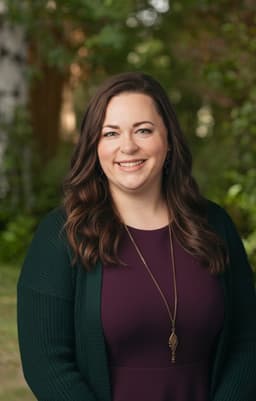
Leah Alissa Bayer
Leah Alissa Bayer, Founder and Managing Director of EVIA Studio
Leah Alissa Bayer, AIA, NCARB, LEED GA, is Founder and Managing Director of the architecture start-up EVIA Studio. First registered in 2017 in California, Leah is licensed to practice in CA, Hawaii, and Washington state and is based out of home offices in Palo Alto, CA and Bellingham, WA, while EVIA Studio serves clients throughout the Pacific States. A true multi-disciplinarian, Leah received her Bachelor of Architecture with an aerospace-centric thesis, a Minor in Fine Arts, and four years of structural engineering from Cal Poly, San Luis Obispo in 2014.
Equally passionate about serving as a leader in practice for her profession as she is to her firm, Leah is dedicated to volunteer work. She is the AIA Silicon Valley Treasurer and incoming Vice President for 2021, founding Chair of the AIASV Practice Leadership Committee, Founding Co-Chair of the Architectural Intelligence Conference, Advisor to AIA National’s Center for Practice, and Chair of the NCARB Experience Advisory Committee.
EVIA Studio isn’t your traditional architecture firm. They’re an award-winning, 100% women-led, virtual team of diverse professionals spread across the country who are passionate about creating exceptional living spaces for everyone. From extra space for a growing family to a vibrant showroom for a new business, healthy affordable housing or a luxurious getaway – whatever it is, they’ve got you covered with their commitment to outstanding service and design. They believe buildings should look great, feel great, and do great things for our communities.
§ SHOW LINKS
/// THE PRACTICE LAB
Conversations are useful. Running the experiment is what changes the firm.
The Practice Lab is where architects test one real change a month, on their tools, their business model, or their own career, alongside peers running experiments of their own. Office hours most Tuesdays.
§ TRANSCRIPTRead the full episode transcript
A This episode is sponsored by Monograph, Twinmotion and Arc IT. You'll hear more about them later on in the episode. I'm Evelyn Lee. And I'm Janine Chastain. We're collaborating on curated conversations to explore how the industry is changing. Together, we'll find ways to create new solutions to current challenges while elevating the value of architects.
B Welcome to Practice Disrupted.
A Hello, listeners. Hello, Janine.
B Hey, Evelyn. Hey, disruptors.
A So in season 1, episode 18, we did an episode dedicated entirely to remote practice. And at that point in time, we were maybe 7 months into the pandemic and firms had gone through a lot of growing pains of learning how to practice entirely remote. At the point when this episode will air, we are now officially 18 months, well over a year, into the pandemic. Some firms have welcomed staff back into the office, while others have opted to go hybrid, which is a mix of both in office and remote. And in today's episode, we wanted to really dive deeper into the 3rd option, which is an entirely virtual practice.
B We wanted to bring Leah back on the show because she's grown her practice since we last spoke to her, and she's also developing a course on running a virtual practice through the practice of architecture. Leah is joined by Jennifer Kretschmer, who is a small firm owner, and both of them are sharing their experiences from running an entirely virtual studio.
A Why this is really important to me, and it's something that I continuously say when I talk about the hybrid practice, is that one of the keys to success of a hybrid practice is actually acting as if you are all remote or acting as if you are all virtual. The interesting thing is the tools that you need for an entirely virtual practice aren't dissimilar from the tools you need from an a hybrid practice. In order for everyone to understand what projects they are working on, what tasks they have, where they are in the project, any information that they need to work on a project asynchronously when it works best for them are the same tools that you need to run an entirely virtual practice. So, Janine, why don't you jump into Jennifer's bio?
B Jennifer Kretschmer, AIA, NCARB, Leap Green Associate founded Jay Kretzschmer Architects in 2003, specializing in single family and multifamily residential projects under 10,000 square feet. Her firm has been in a virtual office since 2008, which she has operated primarily from her home in the Silicon Valley area of California with workers located all over the United States. Jennifer was a speaker at a 19, the conference on architecture and CRAN Symposium 2019, bringing valued information, inspiration, and training to architects on operating a virtual office with remote workers. Jennifer was awarded the AIA National Associate Member of the Year award in 2,002. She is also a founding CRAN chair person of the AIA Silicon Valley and the 2021 AIA Silicon Valley president.
A Leah Baer and her bio has changed a little bit since we last had a conversation. Leah is a licensed architect and president and owner of OJK, a virtual practice and consulting firm specializing almost exclusively in affordable housing. Leah's interdisciplinary background includes education and professional experience from some of the world's best, including practicing as an architect for Perkins and Will in San Francisco and graduating with a BArch, a minor in fine arts, and 4 years of structural engineering, a BS from Cal Poly. I did not know that. Cal Poly's slow. San Luis Obispo. For over a decade, Leah managed and led businesses in diverse industries, including retail, health care, and design, giving her the foundation and rounded perspective to become an entrepreneur in architecture. Passionate about communication, equity and business development, Leah also volunteers to improve the profession, most recently as the director of the board for AIA Silicon Valley, the communications director for AIA Silicon Valley Women in Architecture, founding cochair of the Architectural Intelligence Conference, equity and practice charge leader for the NCARB think tank, and an NCARB experience committee member.
A In addition, Leah connects with our community through award winning writing and storytelling, and she will be following in Jennifer's shoes, serving as a 2022 AIA Silicon Valley president. Let's cut to the interview.
C I'm Leah Baer. I started with virtual practice by starting my own company a few years ago knowing that there were so many challenges, with equity and with sort of the new trend of mobility and capturing the the younger generations and what they were looking for, in balancing work and life. And I wanted that for myself. I wanted to start a family and move out of the Bay Area and not disrupt my practice. So I started Evia Studio in 2018 and grew that up to 5 and then had a great opportunity to partner with a couple other wonderful, super talented women in architecture, and the 3 of us went in and purchased an existing firm in San Jose to acquire that portfolio and have essentially scaled up threefold in the past 6 months, which has been pretty exciting. I also, volunteer for AI Silicon Valley, and I'm, the vice president and will be president next year. And Jennifer and I are actually partnering on a couple projects. One of them in particular is the senior housing, project based in Palo Alto.
C So a lot of parallels there.
A There's obviously so many reasons why I wanted to bring you on, the 2 of you on and especially, Leah's back around for the second time now, But I didn't realize, Leah, your virtual practice model is employee based, and Jennifer, your virtual practice model is more, sole proprietor or contractor based. And you guys are together bringing a series of courses to the practice of architecture to help others not only investigate whether or not they want to have a virtual practice, but also kind of the fundamentals of what it takes to run a virtual practice. And you can actually speak very intelligently to these 2 different business models. Why don't you tell us a little bit more about what our listeners can anticipate out of that first course and any maybe talk about some of the questions that you guys have been getting and fielding, especially through the pandemic and as especially as firms are looking at return to work and how how this course may may help them or or whether or not they need to reach out to you directly.
D I think the basis of our course actually kinda started with me jumping in with the AIA National and doing a, you know, doing a virtual practice session during, the a 19 conference. And we took that, you know, first one hour session and expanded it and brought in a lot of Leah's backgrounds. I mean and as we've known each other a little bit more, it's really interesting how we have different ways of running our practices, as as virtual practices. But when we bring it together in in a course, it gives us a lot of variety in what we can teach people about.
C Yeah. I think the the the biggest thing about supporting or encouraging virtual practice is just really enriching the industry with a multitude of different types of, practice structures. And so even within the fully virtual practice structure, there are multiple ways that you can run a company. So it's been exciting to to understand what those nuances are and then share the different opportunities or ideas for others who are interested in going fully virtual. I would say going through the pandemic has been you know, it's been fun to revisit the content that we had originally started to develop and record before this had all started, where people's feelings about virtual practice were quite different. Most of the attitude was you can't do that at all. You know, how how can you run an architecture for it virtually? And so we had sort of positioned ourselves from the standpoint of, yes. This is possible, and here's how you do it.
C But since the pandemic, of course, all of us have seen that it is possible. We've all had to deal with it, but I think a lot of the challenges have now shifted to really not having the systems and intentions and culture in place, prior to having to go virtual. And so people are sort of pushing back on that rebelling against that, talking about how this is not sustainable long into the future. And so the shift for us is really talking about building out those intentional systems.
D Yeah. And growing on top of that, You know, from the sessions that I did that were prior to the pandemic, I did use polling software, and I actually did this session, like, three times. And I was able to, you know, find out what people's attitudes were about remote working, and virtual office again prior to the pandemic. And then once the pandemic started, I was able to do my session again, and it was interesting to look at the differences between, what people were saying before and what people were saying, you know, 6 months into the pandemic. But in general, a lot of people were saying some of the same things. And so, for example, one of the things that came out very often in the questions that I asked people were, were that they were really concerned about not knowing what their employees were doing at any given moment in time. And I think Leah and I kinda laughed about that when we were really studying into that because both of us have kind of this attitude that it is really important about the tasks that people are accomplishing and not, like, the hours or numbers that, you know, that they're in a seat, but also being able to support them as a manager from afar, and not having to look over people's shoulders and look at their computer to see what they're doing or seeing if they're getting up and getting coffee all the time. I mean, none of that is really that important.
B I wanna come back to this idea around mindset because I think the mindset shift is the is, like, one puzzle piece in this really important conversation about change in general, but also this specific conversation around going to virtual practice. I keep talking to architects who are like, I'm so over this. This isn't working. I need I need to get everybody back in the studio so that I can you know? Essentially, what they're saying is so that I can work the way that works best for me. And I really dislike this idea of, like, professionals, you know, working from home and and they can sit in their jammies and they can, you know, whatever. Like, we're not children. Like, it is so disrespectful in in some senses to imply that people aren't working when they work at home. I remember in one instance, I had a job, and it and it was always, like, before the pandemic, it had to be like an extenuating circumstance.
B And mine was I had I was going to school part time. I was working full time, and commuting from San Francisco to get to school in Oakland took too much time out of my day and it was too hard to do work and get to school. So I had permission from my firm to work from home one day a week, and it was amazing. Like, I was so much more productive because I didn't have people coming up to me and interrupting me all day. I could just sit there and focus on the production tasks that I was being assigned. And since I was in a role where deadlines were very essential at that point, it was perfect because I I could just clear the deck and focus on what needed to get done to push the deadline out, and I think that there is a mindset shift. I guess there are some practitioners who maybe, like, cut corners and and are, you know, young and they don't know how to, like, sit there and focus on work and they need a lot of guidance, but the vast majority of people who are in their careers are they have the skill set and the capability to get the work done. So there's not really an issue there in terms of showing up and delivering as long as you're measuring what they're producing.
B To the practitioners that are resistant,
D One of the starts is embracing technology that is available to you. There are ways that if you feel like you need to look over someone's shoulder or you want to be able to have a young staff member, and I and I mean young as an experienced staff member be able to, you know, ask questions when they come up. You know, you can have, like, a Zoom meeting running in the ground and, you know, turn your cameras off. And then when you need, you know, question, you right? You can ask, you know, you're already on and you can just start asking. I mean, there's all different ways of doing this. That's just one example.
C Yeah. The the concept of having control over your office because you can see people, to me is a really lazy way of managing a business. If that's your only way of knowing that things are getting done correctly, you can only look at so many people's shoulders at a time and and waste your day looking over There's another work. I mean, there's a lot more business is hard. There's a lot that needs to be done to manage a successful practice and looking at what people are doing and constantly monitoring people in the office is not the way that you should be spending your time anyway, regardless of whether you're in person or remote. So I think, certainly, it is a mindset shift. But, also, when you let go of that control and you let your team members take ownership over their own work and grow and give them the tools that are necessary to grow and do their jobs well. It's gonna make your job as a leader easier because you don't have to constantly be tracking and checking.
C You know, surprising how great our staff members are when we let them do their work and just focus on the task at hand and not worry about whether or not they're screwing things up or not doing things exactly the way that we want them to do them.
D I think communication is key. It depends on the management style, but being able to communicate exactly what tasks or what expectations you need from your staff members goes a long way. And so, in many times, I feel that when failure happens, it is not the failure of the staff member, it's the failure of the management style. If you, you know, like, again, bracing technology, there's project management software, there's task management software, so that your staff knows what's expected of them, when it's expected of them, and, and and having operations manuals, I mean, this is something Leah and I discuss all the time. How many firms out there don't even have proper manuals, employee manuals, operations manuals, production standards that are available for someone to look on their own rather than having somebody tell them how to draw it or how to do a certain procedure within the office. That information is available to staff members, and they are reminded as to where they're at, you know, through other means. You don't have to be looking over their shoulder all the time. They are capable of looking it up and finding the answer on their own.
C Yeah. I think on that note, what's really funny is a lot of what we talk about in this course is advice that we give to firm owners whether or not they're virtual. And so, you know, we're constantly having to remind ourselves to touch on the virtual component of this information, but, truly, a lot of what we discuss can be applied in any scenario, and the idea is creating a flexible framework that supports people in the best way possible and focuses on what's most important in running the successful practice. And those are the fundamentals of business. The tools are different. You know, the way that you share and save information might be different, but the baseline of the systems in place and the communication methods are the same. I mean everyone, whether you're virtual or in person or going to do a hybrid practice, needs to look at how they're practicing now and evaluate the archaic ways of practice and evolve into the new way of practicing that is more focused on transparency, that is focused on data and, on tasks and completing work and not so focused on butts and seats and, you know, just, again, looking over people's shoulders. I think it translates across all types of disciplines.
D Yeah. And in order to be successful virtually, you do have to be purposeful and organized. You can't just be running around in office telling people what to do, but nobody knows what your grand scheme is.
A But again, like you just said, you know, purposeful and organized is something that I would hope every Mhmm. Business is doing well, right, to to be a good business. So yeah.
D And I have to say that my background, I have never worked for a really large firm. I have always worked for firms that were under 10 people. And I have a lot of friends or coordination with people who have firms that are under 10 people. And I have seen that the vast majority of them tend not to be as purposeful or as organized as you would want an architecture firm to
C be. Well, surprisingly, even on the flip side, in larger firms, they may be more organized, but they're no more transparent. And so that's one thing that I found that communication is still a problem. The transparency is still a problem, and the trust of the skills of your staff is still still an issue.
B Yeah. That's what I'm hearing in this conversation is is trust. Like, I really do think that the control thing is really related to trusting your staff. And the more you trust the staff, it's amazing because, like, actually, it empowers them to feel good about the contributions they're making. So by giving your trust and having trust, you actually get a return on value, but it's a hard concept for people to understand when they've been burned and they maybe don't trust a certain situation. Leah, the last time we talked, we were really talking about what the challenges were at the beginning of the pandemic when we started to talk about virtual practice. So your interview was talking a lot about, a lot about the early lessons that making that jump in the pandemic required. What have you and Jennifer learned now that you're we've we've been in a virtual world with the pandemic now for how many months? Like, almost a year and a half, maybe more?
C Yeah. I mean, it's it's challenging because the 2 of us have been practicing this way since before the pandemic. So for us, that's been more about observing the differences in other firms, and trying to predict what level of support we can offer there. I think, again, you know, I just kind of take this analogy of the beginning of the pandemic is like any other emergency where you're taking your emergency pack and running you don't have any other option, and you can survive on that pack for a short period of time. It'll keep you going but it's not going to feel good after a long haul of trying to survive on your little backpack of supplies. And I think that that's sort of where we are with this pandemic and really the biggest challenge is the unknowns of whether or not are we returning are we not is it safe is it not there's a lot of fatigue and frustration around that and so it's difficult to plan what you're going to do with your practice and how you're going to safely bring people back in person, or do you need to invest in these, systems for the long haul of virtual practice? I I think for me like we've said all of these approaches and systems apply across any type of office setup and so we're just trying to offer what we have learned in doing this I mean Jennifer for the past decade longer in doing this successfully and building a a team and a culture, that does well and is successful in the long term for firms regardless of whether they wanna do this permanently or not. I think anyone could pull some takeaways from the strategies that we offer in this course.
A Everybody, I think, is you know, all the people that I'm talking to is, you know, we're really looking forward to getting back in the office. I've also heard, you know, consultants being like, I spent half of my week driving between my office, the architect's office, the client's office. So, you know, how much more of of that is going to even exist when people come, quote unquote, back to the office, do you think?
C Even in an office environment, I think the benefit of just being able to pop into these virtual meetings, especially huge consultant coordination meetings where you're waiting for, like, a dozen people to show up at one location in a big conference room and you're wasting
A So they can all stare at a same screen that is, like, 10 feet away around a big conference table.
C Yeah. And we were joking about this the other day and looking at our calendars and how much we get done and how many people we get to talk to throughout the day. And we my partners and I looked at each other and thought, like, what did we used to do when you had one big OAC meeting that you had to get to, and the rest of your day was just driving. And it's like, that was the one thing that you did that day. So, no, I I I think even with people getting back in the office, this is just a much more sustainable way in in many ways to conduct business, and we're all pretty used to it by now. And so even if you like that in person relationship with your team, working with clients, working with other consultants, It's just a quick and easy and great way to to to coordinate work. And, also, when you're on a screen, you can do, like, live markups with each other. You you don't have this work after the fact that you have to catch up on because you're all contributing to the session together concurrently versus, again, being in a conference room where you're pointing things out.
C Someone has to take notes, then somebody has to translate those notes into a document later on. It takes hours of your time in a virtual meeting setup. You're all done by the end of the meeting, and it's just, like, they're these tools are really, really efficient and flexible and adaptive, and I just I don't know. I I can't imagine what things were like beforehand and how little we got done before.
A Let's take a break from this conversation to talk about our sponsor of this episode, Monograph. We're proud to partner with Monograph because they are helping to form the practice of architecture, one design studio at a time.
B Tired of using dated and clunky software to manage your firm? Or do you feel frustrated wrangling all of your spreadsheets to get a clear view of where your project stands today? Monograph is here to help.
A Designed by architects for architects, Monograph allows you to track your time, your projects, and your budgets in real time. With our awesome MoneyGantt, you can immediately understand project performance across your entire firm portfolio.
B Need to adjust your projects week to week? Their new tool, Resource, allows you to reallocate your team's time and track its impact on your remaining budget.
A Be proactive with Monograph.
B And Twinmotion. Now you've probably heard of Zaha Hadid Architects.
A As one of the world's best known firms when it comes to innovation, they're big fans of pushing boundaries. The team at ZHA has started using Twinmotion, a simple real time Arcviz tool that lets you instantly visualize ideas and clearly communicate them to stakeholders.
B ZHA designer Marco Margherta says that the benefit of using Twinmotion for the designers are the simplicity of the interface, the playfulness with which you can articulate your scenes, and not having to worry about all the technical aspects that real time usually brings, like light maps, PBR workflows, and other technical details.
A Marco also loves Twinmotion Cloud, which lets any member of the team access a project from their web browser without a single download or installation. The project manager can access the model, review it, and immediately give you feedback anytime from anywhere, says Marco.
B To download your exclusive free trial, head to twinmotion.link/disrupted. That's twinmotion.link/disrupted.
A I wanted to circle back to this idea of, like, transparency for transparency sake and trust, because I I don't fully think that firm owners understand what we are asking for when we're saying they need to be more transparent. And and there is a really direct connection between being transparent and the space, the safe kind of mental space it creates to allow your employees to be open to kind of sharing what they need with with you. So can we dive a little bit deeper on when you guys say transparency, what are what are some of the what are the things you're actually asking for leadership to do? We're not I mean, I would love the leadership to, like, open all their books and show their books to their employee. But that's but that's, like, that's the deeper level of transparent. Like like, high level, what what really is transparency about?
C Yeah. I mean, I am in that extreme end that is opening all of my books to everybody. So I'll Yeah.
A I know. Get
C a little bit later. But, you know, for for example, in the larger firm that I worked at in San Francisco, we were told what our assignments were on a weekly basis and had this huddle that took a long time. And then we'd have to sort of write things down about how many hours I'm spending on what projects. It turns out all that information was plugged into one of the programs that they had that the project managers were filling out on a weekly basis and discussing with each other at a higher level who should be working on what. But the staff didn't know that. They didn't know what their expectations were, and then when they're filling out their time sheets, didn't know what they were supposed to have been doing all week other than that conversation that they were having with their their PM, if they had that conversation. And so it was as simple as going to, like, the corporate level and saying, hey, guys. Maybe we can just push the button that shows all of the staff in your corporation what they should be working on that week.
C Did you think that that would be more efficient than having an hour long conversation going through every single person what they should be focusing on and having them write that down? And they did. They pushed a button, and everyone could see what they were working on throughout the corporation from then on. I mean, it's simple little insights into what you're already thinking about and planning as a leader that help people do their jobs better and know what your expectations are of them without depending on you to tell them all the time.
B I I just wanna pause and talk about the math on that because I think, Leah, you'll agree with me on this. Let's just talk about the math of what you just said. If an entire office are including people in meetings at their billing rate for their overhead for how many hours do you think that is and how many people?
C So it was a couple dozen with a higher level for a couple hours every week, and then once a week, it was another the entire office, so a 100 people for an hour.
B Times their billing rate. So if you do that math, that is a huge expense to your overhead in terms of, like, what you're paying in order to inefficiently communicate what you're trying to ask people to do. And I think by moving to the the virtual system that Lee is implying, look how much money you save by being more efficient in how you communicate. You don't have people draining your budget by being in a meeting for an hour at their billing rate trying to communicate ineffectively about what they should be doing.
A The twist to that is that, like, I think some people look at that meeting and they're like, oh, but that's the only time we get the team together, so that's our cultural building time, team time Yeah.
B 2. Wow. You know, that's also that is so funny. I'm glad you brought that up. That is not a cultural team building exercise. I promise. People standing in a room listening is not
C We've been we transformed our you know, everyone has these weekly meetings where you talk about progress and updates on projects, and that's kind of the next level of, like, what are you working on as the first conversation, and then the next conversation is what happened on your projects, report out on your projects. And we used to do that too and we had the same thought this is super inefficient, why do we care what happened on projects, it happened, We should talk about lessons learned. We should be doing knowledge sharing. We should be educating one another and learning from one another. And so just recently, we shifted our team meetings to focus more on a value add and community building beyond just reporting on data that you can look at and find elsewhere if you have the systems that allow that level of transparency. So you actually get to enrich that culture, you get to learn more, you get to spend more time on design, we spend more time on sort of group crits and group sketching. We get to spend more time on architecture, and that's really the point of this is to focus on the work that we do and do better work. So those systems really do unlock a lot of opportunity for that, and like you said, Janina, just saves a ton of money.
C You know? And and I think even beyond that, involving people in not just here's how much time we expect you to spend on a project, but involving people in the process that shows them where that number came from is really empowering. If people don't understand the bigger picture and how that translates to costs for the company and how that translates to cost of the client and what their expectations are over the period of the next couple years on this project, then those numbers seem very arbitrary, and it's hard for people to really care about the time that they're spending or, you know, the different tasks that they're focusing on. So, you know, involving people in contract development and conversations about how you're planning your staffing and why empowers people to then sort of own that time, that position that they're, taking on, and also empower their team members and and work collaboratively to sort of keep each other in order and profitable and successful. So instead of me being the only person that worries about that I have the rest of the team that is responsible for their work, the time that they're spending on things, and really shifting their focus then on on improving that efficiency and and doing better work.
D My firm having wholly independent contractors, which means that every single one of my staff has their own business. And so the nice thing about that is they already come pre primed with understanding what's the difference between, you know, billable hours and not billable hours and what's profit and what's not profit. They sort of come with that built in. But even though they are not part of a company as an employee, as my company as an employee, I still have systems in place so that everybody knows exactly what jobs the that my company has, exactly how much time or budget is a lot
A What you're letting other sole proprietors know what other sole proprietors are looking on? Like,
D looking Yes. And I'll I'll elaborate a little bit on this because I have something called a job board, and the job board puts on every single project as soon as the contract is signed. And in that, it has project information, scope of work, the budget for the project, when we're we're expected to, submit to cities, when there's a design review. All of that information is on these little tiny little almost it looks like a bulletin board with with jobs on there. And so everybody knows and then it also, you know, says what where they are in this in the process. So everybody knows where the project is at. Is it in CDs? Is it in SD? You know? And so all that information is all available to them as well as we have a template for, you know, our BIM. Everybody uses the same template, and there's educational content on our online so that you can utilize that template.
D But what ends up happening sometimes, which is interesting, I didn't expect this to happen, but because I have that job board, contract is signed, information goes up. I actually have my independent contractors sometimes bidding against each other to pick up that project because they they immediately see that a project is available, and they can choose whether they want to do that project or not do that project. You know? Or sometimes I will identify somebody who might be perfect for that project, and I ask them, do you wanna do this project? But everybody has the ability to see exactly what projects on there and also all the tasks. Every task has it, you know, who's working on what. And, when you come to the main board in our on our site, every single task is populated. So everybody knows what project they're working on and and when tasks are are due, but they can also see what other people are doing as well.
A You talk about an amazing tool for self advocacy because, I mean, I'm thinking about the reverse, Jennifer, like, you know, why would the firm with an employee with employees want to do that? This gives employees a tool to say, like, there's a really interesting project coming down in the pipeline, and I would like to find a way to be on that team. You know, can I, you know, can I get on that team, you know, and and can or can I lead this portion of that project?
D I love that Leah, with her business and her employees, is as transparent as she is because as I was being trained, I really wish I had more transparency. And actually, my last job before I decided to jump out and start my own firm, my my boss was actually very transparent, and I learned a lot about business. I understood why I was being paid what I was being paid. Right? A lot of people have no clue where their where their salary is coming from. Right? I understood, you know, you would understand, like, who's the client, how to manage that client, well, how much time is takes to manage that client. I mean, there's so many things in the background and being an architect and running a business that if it's not open and transparent, you would never learn. So, yeah, self advocacy, mentoring without sitting next to them mentoring because all this stuff is available to them to look at, I think is is is a new, like, 21st century way of helping people grow as architects.
B You know, oftentimes, I hear people in architecture complain because they don't feel like they understand the business model, and it comes from that lack of wanting transparency. And, Leah, and to your point, I think I'm seeing, like, this idea of bringing more transparency allows for you as the business owner to have to share and distribute the workload and the responsibility and to share some of that risk mindset. I think it requires the entrepreneur to be more organized and more truthful about where they are, not rising to the challenge, and sometimes that's a little hard because people don't wanna be vulnerable. But I think the benefit is that when people know what you're struggling with, then they can help you with it if you're willing to let them help you with it. And then, Jennifer, I wanted to commend you because I think in your business model, you're really engaging people to have a very entrepreneurial mindset, which, again, comes back to that idea of that if they know how if they know that standing in a kitchen chit chatting for an hour is costing the company x y z amount of dollars, they're more incentivized to understand understand why not to do that or how it negatively impacts them really ultimately in addition to the business. But by empowering them to be entrepreneurial, they understand what the, opportunities are in in in engaging and driving their career and taking on more risk in projects that they wanna be part of. So kudos to both of you for coming up with some really awesome examples of leadership
D in helping each other, we help the whole profession as a whole. We always complain about what our fees are, but then there's this blockade between one who we don't know what other firms are doing. And and so we're, like, just throwing our darts out and trying to make that work. And but clients know. Clients who've been using architects for a while, they know what what architects are gonna talk, and they're gonna use that disadvantage that we don't know what each other's doing against us when they're, when they're negotiating fees with us. But I can say that I I am a little proud in the way that I ended up setting this up because 3 people who have worked for me as independent contractors started without ever always would have been working as an employee before and had started out with the mindset working with me as an employee and have moved on now to, oh, actually opening their own firms. So I really actually feel that that I like my model the way it is. Sometimes I lament that I don't have a full time employee, but I like my model the way it is because I'm mentoring in a different way.
D I'm seeing people going out there and starting their own businesses. You know? Right? Because right from the bat, I'd say you're an independent contractor now. You have just started your own business. We're gonna make this work together. So even though they've left and gone on to do other things, I'm very proud of the fact that I helped them move into becoming their own firm. And by them becoming their own firm, they're growing the profession
A refreshing mindset. Right? Because I think, you know, I I think there's all those firms that just don't do that because they're like, we don't wanna train up people train up people to leave.
C I was gonna say on the flip side of that, because when you're running a business with employees, that's not what you necessarily want. You'd like to keep your staff as long as possible. And that's the biggest fear that I hear from firm owners is, oh, if I teach them how I do all of this, they're gonna go off and do it themselves. They're not. I mean, most people don't want to run a business, especially in architecture. You get an architecture to practice architecture. There are a very few weird birds like us that really enjoy the business side, but most people want to feel empowered and understand the business of architecture and understand growth potential and how they can contribute and take on more leadership and ownership within a company structure that somebody else is liable for and that somebody else manages. So you're more likely to retain your employees if you share that information knowing that you're starting in a structure that is an employee structure, that is different than Jennifer's, where she is purposely working with people that are independent and want to start their own businesses.
C I haven't seen anybody want to leave to start their own business and the opposite is that people who had some kind of inklings of little things they wanted to do on the side, we are welcoming with open arms for them to do within the space of our company. So I think with 2 very different perspectives and how we're looking at our staff, I think both are really important. But, no, I haven't seen any evidence that anybody on our team after sharing literally
B especially 6 months, the number one thing people are struggling with is how to build culture in a remote practice. So what tips and ideas can you share with our listeners on how to get past the Zoom fatigue and get past the limitations around culture?
C There is a special chemistry and, sort of stripping down of barriers and walls and comfort level and bonding that happens in person. And before the pandemic, we had had our first in person retreat where everyone met each other, and it really did change and shift the dynamic. So that's important, and we hope to get back to that again. But that's literally the only time that we've spent with each other, that one meeting, and most of our team were not part of that. So we are again in a position where we haven't had the opportunity to spend time with each other, and it it is hard. There is there is something missing to that human element if you aren't intentional about building that into your, practice otherwise. Think number 1 is having a platform where you can have open conversations that are flexible and casual, like a space like Slack where you can use text or video or audio or even these little I don't remember what they're calling them now. These, like, hangouts where you can just have a huddles.
C Huddles. Yeah. Just, you know, casual conversations that replace that, like, chatting with somebody next to you on your desk and encouraging people to talk personally with each other with each other and and sort of modeling that yourself, I think, goes a long way. I'm surprised, and colleagues of mine are like, do you know anything about your team? And we don't really talk about personal stuff. And I'm just like, really? What? Like, that's a huge part of it. Just get personal with your team, care about their personal lives, share your personal lives. That's it's a no brainer. It's really easy.
A That's like another level of transparency too, like, right, when you talk about transparency.
C And, you know, there's I think people are afraid of, like, risk, but I'd rather take the risk to know each other, and support each other on personal levels than worry about I don't know what people are worried about and asking what their daily lives are like. So we also have incorporated things like we do monthly happy hours with each other that are optional, and we all get together. And we've started to do, like, themed, happy hours. So we've got tie dye. We did tie dye happy hour the other day. Those are a lot of fun. People loosen up a little bit. We also do these team design crits, and that was brought in by my partners, Sarah and Kate, which was something that was really missing from my team before we, got together and took over this firm, which was designing together, and that has been hard to replicate.
C I think a lot of people worry about how you can design collaboratively in a virtual environment. So every Thursday, we get together and we have a design problem that we post up on our mural board and the team who's presenting have put together sort of a framework of what's the design problem and here's some background information, and they set up a little collaborative sandbox toolkit space. And we jump on a call and we have fun with each other and, sort of all contribute to the design process together. And even if you're not in a design phase yourself on your project, it gives you the opportunity to get creative and feel like you have a part of design and anything that the office is working on. And so I think just finding those opportunities for us to do fun things together, to laugh together, to have creative moments together, have really helped with our culture. We also have, like, a a team design or not a design design challenge. Sorry. A health challenge.
C So every quarter, we, set a health goal and the winner gets a little prize. So just kinda bringing in those, like, personal elements to, our our daily lives into the workspace so that we can kind of bond on a on a more human level. Because, again, the screen, it's hard to do that, but there are definitely ways that you can bring culture in.
B I also hear from practitioners they're so busy that they feel they don't have time to to invest in that kind of level of engagement, and I think that that usually is why culture takes a back seat. Any tips on that? I mean, I have my own opinions. I'll share later.
C My tip is pay attention to how many people are leaving their jobs right now. If you don't have time to build a strong culture where people feel welcome and engaged in your business, you're going to lose them. And I don't think we're all too busy to to keep our staff on board. So that's my number one tip. It's maybe a little bit harsh, but, truly, people have options. People have seen a different way of of working. And I don't know the the newer generations and even older generations, I think are feeling more empowered. There is something magical about having to work from home where people have reevaluated what's important to them and are feeling empowered to leave those types of offices and lack of culture, poor culture spaces, and demand something better.
C So make the time. Your your business is your people, and that should be your number one priority.
B Before we get into our closing thoughts today, we wanted to share some info that we recently learned from the team at Arc IT.
A Our friends at Arc IT are helping architecture firms with their technology solutions, including fighting back against ransomware and cybersecurity attacks. They recently told us about 1 San Francisco based design firm they help who had 3 ransomware attacks in a span of 6 months. Their latest hit took their generic IT provider over 7 days to recover the data.
B Yikes. Imagine not having access to your project data for over 7 days. For a midsized firm of 40 people, that's a lot of people not having the ability to do work on their projects.
A Cyberattacks are a growing challenge in the hybrid world, and they are costly. The firm leadership estimated that the pure financial cost of the business was just over 100 ks, not accounting for the tremendous mental pressure the team experienced during the attack and subsequent recovery. However, it's important to mention that proactive architecture firms can get ahead of these type of technology threats.
B As you consider your technology needs for your business, be sure to check out Arc IT. They're a trusted IT provider who is in the business of helping architecture firms, and they offer tailored solutions for design studios small, midsize, and large.
A Arc IT is offering a free 15 minute cybersecurity assessment to help you determine how secure your business is. During the assessment, ARC IT will help you identify your top three highest risk areas in your business.
B Speaking of risks, Arc IT is also sharing some helpful tips with practice disrupted listeners that you can implement tomorrow to ensure your business is secure from cybersecurity threats.
A Their latest tip is to use different passwords for every service and use a password manager such as LastPass to keep track of
B them. Tune in next week to hear the next tip from Arc IT. To take your security solutions further, contact arcit@www.getarkit.com/pd to set up your free 15 minute cybersecurity assessment or speak to them about custom solutions for your design firm.
A One of the reasons why we wanted to bring Jennifer and Leah on is because they are literally in the midst of finishing this course that they were putting together. The right thing about what we are trying to build out practice of architecture is really a community where individuals share their expertise with one another, and we collectively raise the value of the profession. You know, they kicked off the conversation, and they have 2 completely different business models for running a virtual practice. And while I knew it, and I said this in the episode, you know, while I knew it in my head, I didn't realize, like, that even makes this course, I think, that much more valuable that there's multiple way ways to run and structure a virtual practice that gives your potential employees or contractors a lot of different level of freedom based on kind of how they want to control their own destiny. And and it talks about, like, the type of people that you want to work with, and have be a part of your firm too. But the the best thing, and I think we said this a little bit in the intro, is that really what we are talking about here is just basic good business practices for even running a hybrid practice, let alone a virtual practice.
B Right. And I think that what's cool about both of these speakers is that they and they said this in the intro that they've been running their businesses since before the pandemic in a virtual capacity. So they have, added depth of what they're able to talk about both from pre pandemic and then going through the pandemic. And now they are translating it into a format where they can share best practices. And in addition to that course, you know, you can go there for additional information. You can listen to this episode. You can also go back and listen to the episode 18 on, remote practice. But I think Leah and Jennifer are basically touching on so many interesting points about the different ways that you can think about structuring your office structure and leveraging technology to improve communication and to improve the organizational systems within your studio environment.
A Yeah. And I wanna just give extra props to Jennifer who is virtually a sole a sole proprietor that works with contractors for her ability to shift her marketing campaign in the middle of the pandemic to really leverage her expertise as being a virtual practice and understanding how to operate in this virtual world. You know, I hear so many practitioners not complain, but, like, talk about, like, all the extra effort that it takes to really make that shift. But, like, the practices that are agile, that are just really adaptable, they, you know, these people are finding ways to do it. So where there's a will, there's a way.
B Yeah. And I wanna come back to this idea that you had talked about during the conversation of asynchronous work. So we did another episode that was entirely focused on what asynchronous work is. But you also mentioned this idea of meeting audits in order to understand, like, what meetings you wanna keep and which ones you wanna get rid of. And I think that's a really important conversation as we learn to be more efficient and agile in this new workplace that we're living in. So can you tell us more about that?
A You made a good illustration during the conversation about, like, meetings actually being meaningful. And I think that's ultimately what a meeting audit is about. And I want to reframe this notion around asynchronous work. So when we talk about asynchronous work, when we talk about a hybrid practice, when we talk about a virtual practice, it's really giving your employees, giving everyone on the project team the most flexibility to do the work at a time that works best for them within their schedule. Flexibility is not necessarily just purely about the physical place of where you're working. True flexibility allows for the time constraint to be removed too. Right? So when we're talking about async, that means, like, even though Slack and it took me a while to get over this as an employee, is, like, much like a kind of a like a a message system that I don't have to respond to everything right away. Like, as long as my team is, like, you'll get to that when you need to get to that, as long as it meets the deadlines and allows everyone to be productive.
A That's kind of the expectations of responding asynchronously. So when we talk about meetings that matter, there are literally only 4 meetings that we put in a category that you, like, actually have to have in person. So the most important one is meetings that build bonds. Right? Or culture or team building, but they actually have to be team buildings. I think you mentioned, Janine, like, a reporting meeting where somebody is reporting out, like, that is not a team building exercise. Like, there is no back and forth happening there.
B There's no relationship building there. So therefore, it's I mean, it's sure. You can disguise it as a culture meeting, but really it's not a transactional two way culture building exercise.
A Right. The second one is those that require timely decision making. So they're usually an immediate thing. Like, something has come up with a client, something has come up on a project, and we need to get everyone in the room to resolve this right now. Like, that is just best done if it's virtually on Zoom or if you're able to pull everyone together in person collectively together. The other thing that we can that cannot be async is very detailed or complex topics. So when you're thinking about doing strategic planning for the next year, like, that's a really hard thing to do asynchronously because you kind of need that collective thought going into that process. And then finally, emotionally charged discussions.
A And those can be positively emotionally charged discussions, like giving your employees a raise or giving them a promotion. They can also be more the more strenuously emotionally charged discussions, like talking about where people can improve or talking to I mean, even a client. Right? Emotionally charged discussions. So those 4 meetings aside, these these are just kind of examples of a handful of meetings that we in Slack have moved to our channels or to our messaging system or to, I think, what Microsoft team would call a project. So announcements, any global office wide announcements. We actually have an announcements channel. Status updates. So, again, these are the meetings that, Janine, you are referring that some people call those those cultural update meetings.
A But I don't I'm not learning anything about an individual by knowing, how far along they are on a certain project. We actually have, a chatbot that every morning sends together sends out a reminder to the team that, asks them to give a status update of what I worked on yesterday, what I'm working on today, and any roadblocks that I foresee that may prevent me from moving forward. And we do that all in a channel. Brainstorms, which I know some architects are going to, like, really push back on me on this one. The actual innovative process of coming together and building something off of a brainstorm needs to be done in person. But look at brain writing. And there's really innovative ways to come together. It actually is really great for introverts like myself.
A I know some people probably won't believe I'm an introvert, but that's the truth. And it's also really actually great for for EDI. So anyways, look up brainwriting. Planning meetings and scheduling meetings, there are tools out there that you can develop Gantt charts together. You can work collaboratively on project plans together, utilize those tools. Moving work forward or just check ins, this is again, goes back to the status updates. It's all all if all you need to do is to to check-in and make sure people are doing their work, it doesn't have to necessarily be a Zoom. And then feedback requests and approvals can also be moved to async.
A Uh-uh. And, you know, Zoom fatigue is real. So we're just really trying to eliminate meetings.
B Yeah. No. And I think that's a good point. I think some companies did go through this process that I've heard about where they reassessed, like, what meetings that they were doing, how long they were spending in them, and and how often they were having meetings. But I think these are some good frameworks to even take that idea further for, you know, where we are now in the pandemic. If you feel like time is not being utilized in the best way possible and that you're losing time to meetings, like, maybe consider doing another meeting audit with your team just to assess, like, where could we shift some ways that we used to do things over to an asynchronous model and keep the things that are most important to what we need to do to get the job done.
A An interesting statistic that I like to throw out there when I'm talking about project planning and team management is that Korn and Ferri did a did a study and they said that 35% of employees, these are primarily knowledge workers, said that they waste 2 to 5 hours per day on meetings and calls. What's even sadder about that is that the research shows that employees spend 4 hours per week preparing for status update. Like, so for preparing for those meetings that they then just give status updates in. So really think and, Janine, you kind of laid out literally the business opportunity. Right? The business equation of having everybody in this status meeting updates and not actively doing like heads down project work and being productive.
B Yeah. I mean, it's true. I mean, and I think that in in like, if we think about 2 to 3 years ago, when we would bring people together in a room, it was really to get people up from their desks and let them see each other and talk to each other. But I think unless you have, like, really meaningful things to say and you're engaging your staff in a way that's above and beyond just giving a status update. Like, I remember in so many firms, we used to go around the room and people would say their project name and that where they were in the process. And, like, for the team, like, they know what that jargon means, but if you're not on that team, like, you have no idea what they're talking about, and you're just nodding along and, like, yeah. Great. Good job, team.
B And so I think like, you know, we assume that, like, we're sharing information that people understand. And I think that, you know, as we rethink the way we do meetings, like just getting a little bit deeper on, the value add on when we communicate with each other, like really having something meaningful to say to use that time valuably and getting, like, an entire office standing around for an hour just to listen to somebody, you know, is that the best use of your time? Could you use that time and that money towards something even better?
A And I'm I'm guilty of this. So I ran, I co ran, led, supported the strategy practice at MK Think, and I was that person leading this weekly meeting. And I don't know how many times I was, like, literally struggling with, like, how do I make this more fun or more interesting or, like, what is the opening icebreaker question that we can ask so everyone so, like, you know, like like, silly things like cake or pie, you know, mountains or lake? Like, which do you prefer? And now that I look back on them, I'm like, this is why those meetings were so hard and they were so dry, and I'm totally guilty of that.
B Well, one thing that we did at LMS that I thought was really successful was we used to do these Monday morning meetings where everyone would go around and they would say something personal about themselves and everybody shared one thing. And it sometimes it was like what movie they watched over the weekend or a book that they were reading or,
D you
B know, some major milestone in their life. But it was so it was such a nice way to start the Monday. Like, I actually felt like I knew my coworkers because of those Monday morning meetings. But, yeah, there's definitely, like, small exercises that you can do to engage staff. By the end of it, I was doing this thing with them where I was having project teams take turns, sharing photos of, like, job site progress so that instead of just saying, like, x y z project is in construction, like, actually getting that team to get up there and show a couple photos of the site progress. And that was always really fun because then it brought brought these projects to life, in a way that everybody could if they couldn't go to the site, they could at least understand, the context of the site and and the progress that it was in.
A If anybody takes away anything from this episode, whether or not you're thinking about switching to hybrid or virtual, however it is that you emerge from this pandemic, that you're really listening to what your production staff want and how they want to work and that you're not imprinting how you weren't want to work on top of them, because because they are your production staff. Like, let's give them the most flexibility that you feel comfortable giving them, and they will thrive more so in an environment than something that kind of you've decided has always worked best for you.
B Mhmm. Or give them a chance to try it and at least, you know, see if the possibility for them to succeed is there before shooting it down. Because I think that it's it's so valuable for staff to be able to, like, set up their own work environment that works best for them.
A So if you're interested in the courses that Leah and Jennifer are offering and would like the opportunity to earn AIACEUs while learning more about the virtual practice, visit practice of architecture.com/virtualpractice.
B Thank you to Arc IT for their support of this episode. Don't forget to visit get arcit.com/pd to set up your free 15 minute cybersecurity assessment or custom solutions for your design firm.
A Thank you again to our podcast partner, Monograph. Learn how Monograph can help you take control of your firm's financial health. Follow the link in our show notes or visit practice of architecture.com backslash monograph so that Monograph knows that you heard about them from us.
B Thank you to Twinmotion for their support of this podcast episode. Visit twinmotiondot link slash disrupted and try Twinmotion for free.
A Thanks for joining us on Practice Disrupted, a podcast by Practice of Architecture. You can find all of our past episodes by visiting practice of architecture.com backslash podcast.
B You can also get involved with our growing community. Find us on social media at practice of a r c h.
A And you can join us in the POA lab. You can apply to be a part of the practice of architecture lab by visiting practice of architecture backslash lab, where you will have more opportunities to interact with us and all of our podcast guests.
B This show is part of Gable Media. You can learn more about all of the podcasts and video content connected to this community by visiting gablmedia.com.
A Don't forget to share with your friends and feel free to let us know what other topics or speakers you are interested in hearing about.
§ TOPICS
Firm OperationsPractice InnovationTechnology & Tools
§ MORE EPISODES YOU MAY LIKE


/// THE WEEKLY READ